

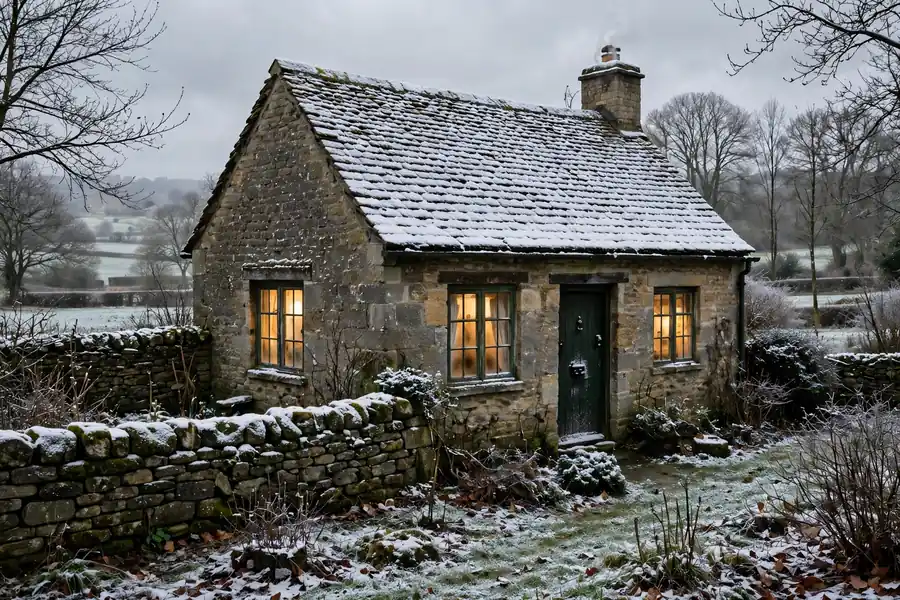
A winter cottage break in the UK is one of the easiest ways to slow down when the days get short. You get a warm base, quiet countryside and no airport queues, and you can plan the whole trip around rest rather than rushing from one attraction to the next. This guide covers how to choose the right cottage, what to pack, how to keep costs down and what to do once you are there.
The key to a good winter cottage break is picking a place that suits the season. A cottage that feels perfect in July can feel cold and draughty in January, so check the heating, the insulation and the little details before you book. Look for recent guest reviews that mention winter stays specifically, because they tell you more than glossy photos ever will.
Choose a cottage that works in winter
Start with the heating. A cottage with central heating, a log burner or a good electric fire will keep you comfortable on a cold evening. Ask the owner how the heating works and whether logs or fuel are included in the price. Some cottages charge extra for firewood, and that cost adds up over a week.
Check the windows and the draughts too. Old stone cottages are beautiful, but single glazing and gaps around doors can make a room chilly. Thick curtains, a draught excluder and a hot water bottle solve most of it, yet it is better to know before you arrive than to discover it on the first night.
Think about the location as well. A cottage at the end of a steep, narrow lane sounds romantic until you have to drive it in frost or snow. Pick somewhere with easy road access, parking close to the door and a shop or pub within a short drive. You will thank yourself on a wet Tuesday evening when you just want milk and a warm meal.
Pack for cold weather, not just for the cottage
Packing for a winter cottage break is about layers. Bring a warm waterproof coat, sturdy walking boots with grip, gloves, a hat and a scarf. Even a short walk to the village can be bitter when the wind picks up, and good clothing turns a miserable trudge into a pleasant stroll.
Inside the cottage, pack for comfort. Slippers or thick socks make hard floors bearable, and a favourite blanket or hoodie helps you relax by the fire. If you plan to cook, bring a few store-cupboard basics such as tea, coffee, oil and spices, so you are not shopping for everything on arrival day.
Do not forget the small things. A torch is useful if the lane has no street lights, and a phone charger with a long cable helps when the only socket is across the room. A simple first aid kit and any regular medication should travel with you, because the nearest pharmacy may be miles away.
Plan your days around daylight
Winter days are short, so plan your outings for the middle of the day. A walk between late morning and mid-afternoon gives you the best light and the warmest temperatures. Save the evenings for the cottage itself, with cooking, reading, board games or a film.
One family I know plans a single outing per day on winter breaks. They walk in the morning, eat lunch in a village pub, then head back to the cottage by four o clock for a bath and a board game. The children remember those trips fondly, not because every hour was filled, but because nobody was rushed or tired.
Build in a spare day with no plans at all. Winter weather changes fast, and a day of rain or fog is much nicer when you can stay in without feeling you have wasted a booking. A slow day with a book and a fire is a proper part of the break, not a failure of planning.
Keep the cost down
Winter is the cheapest season for UK cottages, and that is a real advantage. Prices often drop by a third or more compared with summer, and midweek breaks can be cheaper still. Booking a Monday to Friday stay instead of a weekend can save enough to cover your food shopping.
Cook most of your meals in the cottage. A slow cooker meal, a tray of roasted vegetables or a simple stew costs little and fills the cottage with warmth. Eat out once or twice at a local pub instead of every night, and you will spend far less while still supporting the village.
Check what is included before you book. Heating, logs, towels, bed linen and Wi-Fi should all be in the price, and any extra charges should be clear. A cottage that looks cheap but charges for heating, firewood and linen can end up costing more than a slightly dearer one that includes everything.
Things to do on a winter cottage break
Walking is the obvious choice, and winter walks have their own charm. Frosty fields, bare trees and low sun make familiar countryside look different, and a good pair of boots opens up paths that are crowded in summer. Keep walks short, carry water, and tell someone your route if you are heading somewhere remote. Our guide to walking holidays in the UK has practical advice on planning routes and pacing yourself.
On wet days, look for indoor options nearby. A local museum, a historic house, a craft workshop or a village market can fill a morning nicely. Many National Trust properties stay open in winter with fewer visitors, which makes for a calmer visit. Check opening times before you set off, because winter hours are often shorter.
Evenings are for slowing down. A reading retreat is easy to build into a cottage break, even for one night, and a couple of good books go a long way. Add a puzzle, a pack of cards or a simple board game, and the evening takes care of itself. If you want a fuller reset, our digital detox breaks guide explains how to switch off properly for a few days.
For a gentler pace, a spa break pairs well with a winter cottage stay, and many villages have a treatment room or a nearby leisure centre with a pool and sauna. A warm soak after a cold walk is one of the small pleasures that makes winter travel worth it. If you prefer to take things slowly all week, read our slow travel guide and our tips for a relaxing cottage break before you go.
Before you book: a quick checklist
Run through this list before you pay for anything. First, confirm the heating and whether logs or fuel cost extra. Second, check the access road and parking in winter conditions. Third, read recent winter reviews from other guests. Fourth, confirm what is included, from linen to Wi-Fi. Fifth, check the cancellation policy, because winter weather can disrupt travel plans.
Finally, pack with the season in mind and leave room in the car for firewood or groceries. A little preparation turns a cold, dark week into the most restful break of your year.
Your winter escape starts with one booking
A winter cottage break does not need perfect weather or a packed itinerary. It needs a warm cottage, a few good walks and evenings with nothing to do. Book somewhere cosy, pack your layers, plan one outing a day and let the rest of the week unfold slowly. You will come home rested, and you will probably start planning the next one before the fire has gone out.
