

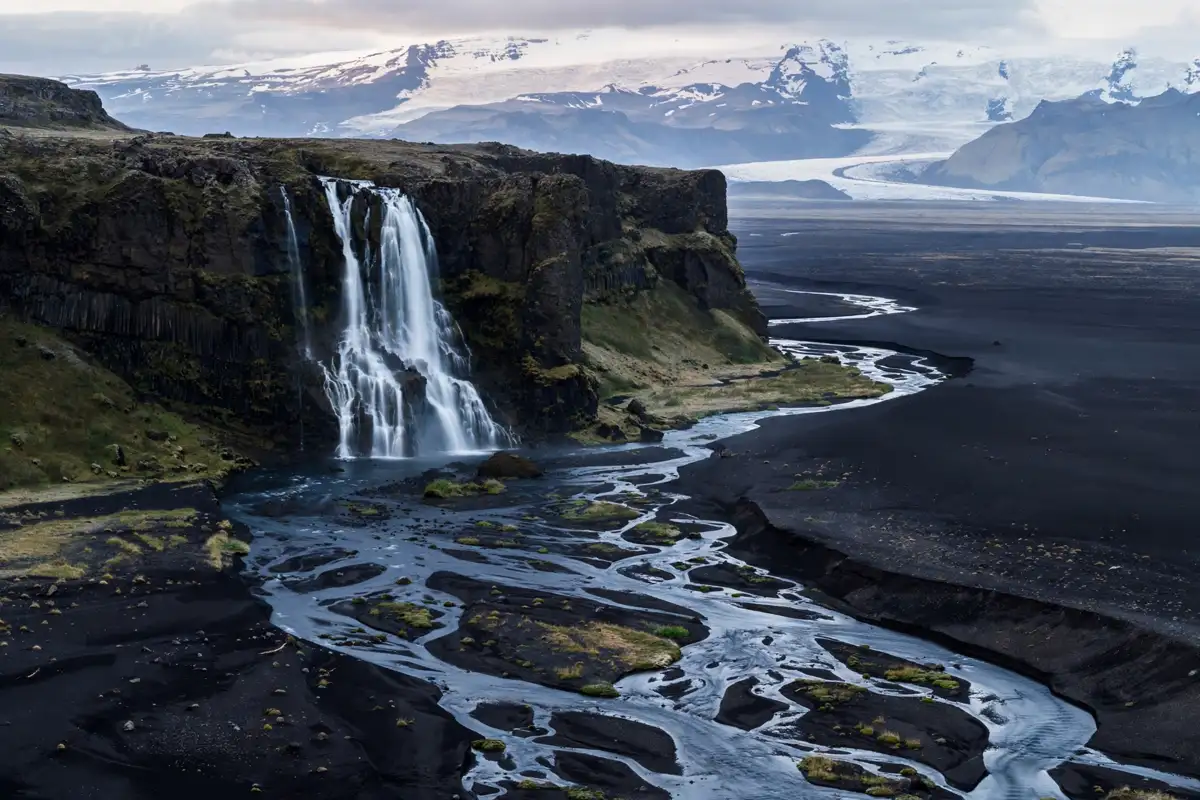
Planning holidays to Iceland from UK travellers quickly discover why this island has become one of the most popular short breaks from Britain. The flight is only around three hours, yet Iceland feels like another planet: black sand beaches, steaming geothermal pools, waterfalls around every bend, and a landscape shaped by volcanoes and glaciers. This guide covers when to go, what to see, and how to plan a trip that suits first-time visitors.
Why Iceland Is Such an Easy Adventure from the UK
Iceland works as a holiday because it compresses extraordinary scenery into a small, safe and well-organised country. You can base yourself in Reykjavik and take day trips to the main sights, or hire a car and drive the Ring Road for a longer tour. English is widely spoken, the roads are good, and the tourism infrastructure is built for visitors who want to explore independently. For UK travellers short on annual leave, a long weekend can cover the highlights, while a week allows a much fuller circuit.
Iceland also sits naturally alongside other European breaks. If you enjoy city-and-scenery combinations, our guides to Germany, Austria and Malta cover a similar mix of culture and landscape, and our European city breaks round-up is useful for planning a second trip. For a broader look at the continent, see our holiday to Europe guide.
Best Time to Visit Iceland
Summer, roughly June to August, brings long daylight, mild weather and full access to the highlands, with the midnight sun making late-evening sightseeing possible. Winter, roughly November to February, is the season for the Northern Lights, ice caves and snowy landscapes, but daylight is short and some roads close. The shoulder months of May and September offer a useful balance: fewer visitors, reasonable daylight, and a chance of aurora activity in September.
Choosing between summer and winter depends on what you want most. If waterfalls, hiking and road-tripping top your list, summer wins. If seeing the aurora is the dream, winter is the time, but build flexibility into your plans: aurora sightings depend on clear, dark skies and solar activity, and no operator can guarantee them. Travellers chasing winter sun elsewhere in the season may also like our best places to go in February guide.
The Golden Circle
The Golden Circle is the classic first-day route from Reykjavik, covering three headline sights. Thingvellir National Park is where the North American and Eurasian tectonic plates meet, and it also holds deep historical significance as the site of Iceland’s ancient parliament. Geysir gives the route its name in spirit: the Strokkur geyser erupts every few minutes, throwing boiling water high into the air. Gullfoss, a powerful two-tier waterfall, completes the trio and is especially dramatic in winter when ice frames the falls.
The Golden Circle can be done as a guided day tour or by hire car in a full day. Start early to beat the coach groups, and add the Secret Lagoon or a farm lunch stop to break up the driving. In winter, check road conditions before setting off and allow extra time; daylight is precious and weather can change quickly.
The South Coast
Iceland’s south coast is where the scenery becomes truly cinematic. Seljalandsfoss, a waterfall you can walk behind, and Skogafoss, a wide curtain of water with a staircase to the top, are both easy stops from the main road. Further east, Reynisfjara black sand beach near Vik is famous for its basalt sea stacks, but the waves here are genuinely dangerous, so keep well back from the water and follow local warnings.
Continue east and the landscape opens into glacier country. Solheimajokull glacier offers guided glacier walks for beginners, and the Jokulsarlon glacier lagoon, where icebergs drift towards the sea, is one of the most photographed places in Iceland. Nearby Diamond Beach, where ice fragments wash up on black sand, is the perfect final stop. A south coast trip needs at least two days to do justice to the distance; trying it as a single day from Reykjavik means too much driving and too little stopping.
Reykjavik and Geothermal Pools
Reykjavik itself deserves a day. It is small, walkable and full of colour, with corrugated-iron houses painted in bright shades, a lively cafe and restaurant scene, and Hallgrimskirkja church tower offering the best view over the city. The harbour area is the departure point for whale-watching tours in summer, and the city’s museums cover everything from settlement history to Icelandic punk.
No Iceland trip is complete without a geothermal pool. The Blue Lagoon is the famous one, and booking ahead is essential, but locals often prefer quieter pools such as the Secret Lagoon or the newer Sky Lagoon near Reykjavik. Whichever you choose, remember the local etiquette: shower thoroughly before entering, tie long hair up, and respect the posted rules. The warm water after a cold day of sightseeing is one of Iceland’s great pleasures.
Practical Tips for UK Travellers
Flights from the UK to Keflavik airport take around three hours, with departures from several UK airports. Keflavik is about 45 minutes from Reykjavik, and airport buses run to meet flights. Iceland uses the krona, though cards are accepted almost everywhere, even for small purchases, so many visitors never handle cash at all. Iceland is in the Schengen area but not the EU, so check current passport and entry guidance for UK citizens before travel, and take out travel insurance that covers winter driving and outdoor activities if you plan them.
Driving is the biggest practical decision. In summer, a standard car handles the Ring Road fine. In winter, a four-wheel-drive vehicle, experience of snow driving, and daily checks of road and weather conditions are essential. Fuel stations can be far apart in the east and north, so fill up when you can. Pack warm, waterproof layers whatever the season, including a windproof jacket: Icelandic weather changes fast, and a sunny morning can turn into sideways rain by afternoon.
Planning Your Iceland Holiday
A long weekend works well with a Reykjavik base, a Golden Circle day, and a south coast day as far as Vik. A week allows the full south coast to Jokulsarlon and back, or a Ring Road circuit if you are comfortable with longer driving days. Whatever the length, book the Blue Lagoon and any glacier or ice cave tours in advance, keep your itinerary flexible for weather, and leave one unscheduled day for Reykjavik itself.
Iceland is not a cheap destination, but it is a rewarding one, and careful planning keeps costs sensible: self-catering accommodation, supermarket shopping, and free natural sights balance the splurges on tours and pools. For UK travellers wanting big landscapes without a long flight, there are few better choices, and most visitors leave already planning a return in the opposite season to see the other side of the island.
