

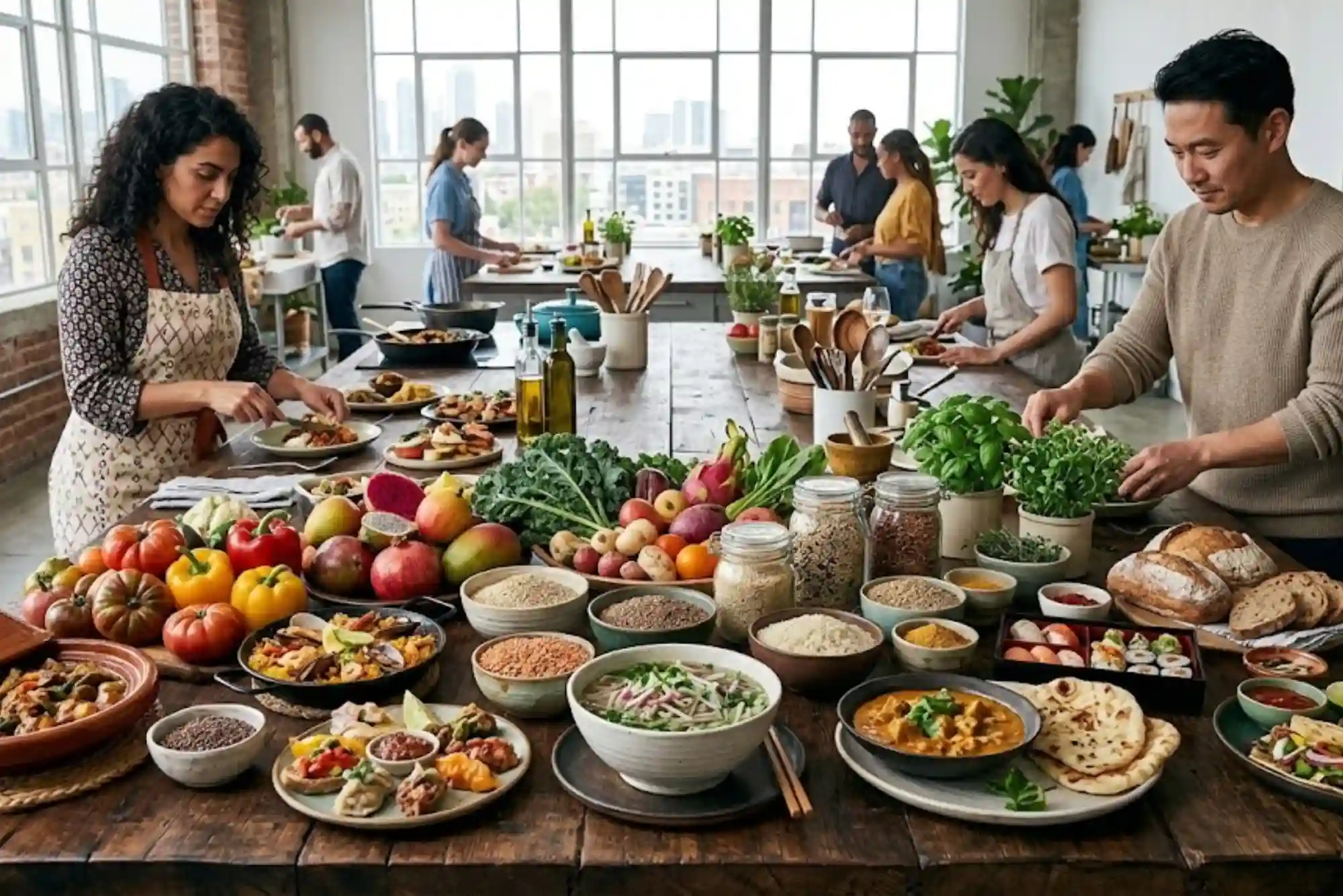
Food is much more than a source of nutrition. It reflects culture, tradition, geography, history, and personal preference. One of the most rewarding ways to improve your relationship with food is to explore foods beyond your usual choices and discover new ingredients, cuisines, and cooking techniques.
Whether you’re looking to improve your diet, expand your cooking skills, introduce more variety into family meals, or simply enjoy new flavours, food exploration can make everyday eating more interesting and enjoyable.
From traditional British favourites to international cuisines, there are countless opportunities to discover foods that support both enjoyment and nutritional balance.
What Does It Mean to Explore Foods?
Exploring foods involves trying unfamiliar ingredients, recipes, cooking methods, and cuisines. It encourages curiosity about where foods come from, how they are prepared, and how they contribute to a balanced diet.
Food exploration can include:
- Trying new fruits and vegetables
- Cooking recipes from different cultures
- Learning about nutritional value
- Experimenting with herbs and spices
- Visiting food markets
- Reading food publications and guides
- Preparing meals using unfamiliar ingredients
Even small changes can introduce exciting new flavours and nutritional benefits into everyday meals.
Why Exploring Foods Is Beneficial
Increases Dietary Variety
A varied diet often provides a broader range of nutrients than repeatedly eating the same foods.
Improves Cooking Skills
Trying new ingredients encourages creativity and confidence in the kitchen.
Supports Balanced Nutrition
Exploring different foods may help individuals discover nutrient-rich options they might otherwise overlook.
Enhances Cultural Understanding
Food provides insight into traditions, customs, and lifestyles from around the world.
Makes Healthy Eating More Enjoyable
Variety can help prevent boredom and encourage long-term healthy eating habits.
Foods Worth Exploring
Whole Grains
Many people rely primarily on common grains such as rice and wheat, but alternatives can add variety and nutrition.
Examples include:
- Quinoa
- Bulgur wheat
- Barley
- Freekeh
- Buckwheat
Legumes
Beans, lentils, and chickpeas provide plant-based protein, fibre, and minerals.
Popular options include:
- Red lentils
- Black beans
- Butter beans
- Cannellini beans
- Chickpeas
Seasonal Vegetables
Exploring seasonal produce often introduces ingredients that are fresher, more affordable, and locally available.
International Ingredients
Foods from Mediterranean, Middle Eastern, Asian, African, and South American cuisines can bring exciting flavours and nutritional diversity to meals.
Exploring Italian Cuisine
Italian food offers an excellent introduction to culinary exploration because it combines simple ingredients with traditional cooking methods.
Those interested in Italian cooking may begin with classic italian starters before progressing to homemade pasta dishes and regional specialities.
Learning traditional recipes often provides valuable insight into ingredient quality, seasonality, and food culture.
Using Food Exploration to Improve Nutrition
Exploring foods is not only about trying new flavours—it can also support healthier eating habits.
For example, introducing a wider variety of vegetables, whole grains, legumes, and nutrient-rich foods may improve overall dietary quality.
Combining food exploration with a balanced diet platter approach helps ensure meals remain nutritionally balanced while incorporating new ingredients.
Food Exploration for Families
Families can use food exploration to encourage children and adults alike to develop broader food preferences.
Practical ideas include:
- Trying one new ingredient each week
- Cooking recipes from different countries
- Visiting local food markets
- Growing herbs and vegetables at home
- Preparing meals together
Creating positive experiences around new foods often increases willingness to try unfamiliar ingredients.
How Food Publications Can Inspire New Ideas
Food magazines, websites, and cookbooks remain valuable sources of culinary inspiration.
Many readers discover new recipes, cooking techniques, and seasonal ingredients through trusted publications.
For example, resources such as bbc good food guide magazine style content often introduce readers to emerging food trends, practical recipes, and expert cooking advice.
Common Questions When Trying New Foods
People often have concerns when encountering unfamiliar ingredients.
Can You Eat It Raw?
Some foods can be safely eaten raw, while others require cooking for safety or digestibility.
Understanding preparation requirements is important, especially when asking questions such as can you eat certain foods without cooking.
How Should It Be Stored?
Different foods have different storage requirements. Proper storage helps maintain freshness and minimise waste.
What Does It Pair With?
Learning common ingredient combinations can make it easier to incorporate new foods into familiar recipes.
Building Confidence Through Food Exploration
Many people hesitate to try unfamiliar ingredients because they are unsure how to prepare them. Starting with simple recipes often makes the process less intimidating.
Consider:
- Trying one new vegetable each week
- Cooking a recipe from a different cuisine monthly
- Experimenting with herbs and spices
- Using seasonal produce more frequently
- Learning basic cooking techniques
Over time, these small steps can significantly expand culinary knowledge and confidence.
Food Exploration and Sustainable Eating
Exploring local and seasonal foods can also support sustainability goals.
Benefits may include:
- Reduced food miles
- Support for local producers
- Seasonal variety
- Potential cost savings
- Reduced food waste
Being open to different ingredients often creates opportunities to make more environmentally conscious food choices.
Reliable Resources for Learning About Food
For evidence-based nutrition information, recipes, and practical food guidance, the BBC Good Food website offers extensive resources covering healthy eating, cooking techniques, seasonal ingredients, and global cuisines.
Final Thoughts
Choosing to explore foods can enrich both your diet and your understanding of the world around you. By trying new ingredients, learning different cooking methods, and discovering diverse cuisines, it becomes easier to create meals that are both enjoyable and nutritionally balanced.
Whether you’re seeking healthier eating habits, culinary inspiration, or simply new flavours to enjoy, food exploration encourages curiosity, creativity, and lifelong learning. Even small changes can open the door to exciting new food experiences and a more varied, satisfying diet.
