

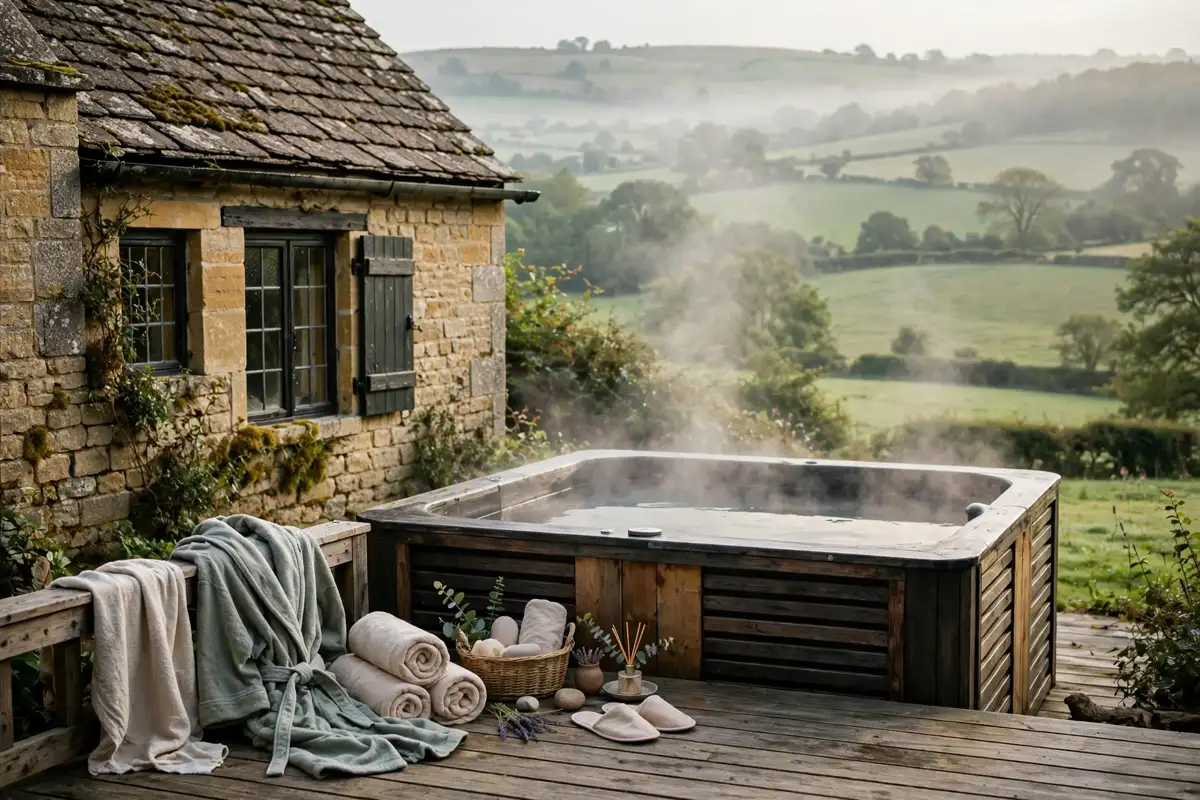
A good break should leave you feeling better than when you arrived, and few options deliver that as reliably as UK spa breaks. Whether it is a single night in a country house hotel, a weekend in a cottage with its own hot tub or a full wellness retreat with treatments booked from morning to evening, the right spa break slows you down, eases tired muscles and gives your mind a genuine rest. The challenge is choosing well: spa venues vary enormously in style, facilities and value, and the most expensive option is not always the most relaxing one.
This guide explains how to choose a spa break that matches what you actually need, which facilities and treatments are worth prioritising, when to go, and how to build the rest of your trip around the spa so the whole break feels unhurried rather than squeezed between appointments.
What Makes a Good Spa Break?
The best UK spa breaks share a few qualities. First, the setting matters more than the size of the treatment menu. A modest spa in peaceful countryside, where you can walk from the pool to a garden terrace without passing a conference corridor, usually relaxes you faster than a large city spa attached to a busy hotel. Second, look for water: a decent pool, a hydrotherapy pool or an outdoor hot tub gives you something to enjoy between treatments, which is where most of the unwinding actually happens. Third, check the rhythm of the place. Spas that limit numbers, offer adults-only sessions or separate relaxation areas tend to feel calmer than those selling day tickets in volume.
It is also worth deciding what the break is for. Recovery from a stressful few months, a celebration with a partner or friend, and a focused wellness reset all point to different venues. If you want quiet above everything, say so when booking and ask about the quietest times. Staff know exactly when the spa is at its calmest and are usually happy to guide you.
Choosing the Right Type of Spa Break
Spa hotels are the classic choice: treatments, pool and dinner under one roof, with no need to drive anywhere once you arrive. They suit one or two nights and work well for special occasions. Day spas cost less and fit around other plans, but you lose the deep switch-off that comes from staying overnight. Self-catering cottages with a hot tub or access to spa facilities offer the most flexibility: you set your own pace, cook when you like and soak under the stars, an approach that pairs naturally with the unhurried philosophy in our guide to slow travel and planning a relaxing holiday. Finally, dedicated wellness retreats add structure such as yoga, guided walks and set menus, which suits travellers who relax best when someone else plans the day.
For many people a cottage base in a scenic area is the sweet spot: spa time when you want it, countryside walks when you do not, and evenings entirely your own. Our guide to cottage holidays in Scotland shows how well this combination works in practice.
Treatments Worth Booking First
Treatment lists can run to several pages, so book the essentials first and leave gaps in your schedule. A full-body massage remains the most reliable choice for releasing tension, while facials suit anyone whose skin has suffered from central heating, travel or a long winter. If the spa has a thermal suite, salt room or outdoor hot tub, allow unstructured time for those too; drifting between warm water, a lounger and a book is often the most restorative part of the day. Our article on the art of doing nothing on a cottage break makes the case for protecting that empty time rather than filling every hour.
Book treatments when you reserve your room, not when you arrive, because popular slots, especially late morning and mid-afternoon, fill quickly at weekends. If you are travelling with a partner or friend, ask whether the spa has a double treatment room so you can share the experience.
When to Go and How Long to Stay
One night is enough for a taster, but the real benefits of UK spa breaks usually arrive on the second day, once you have slept, slowed down and stopped checking the time. Two nights is the ideal for most people. Midweek stays are calmer and often better value than weekends, and the quieter months outside school holidays give you more space in pools and relaxation areas. If your budget is tight, our round-up of cheap weekend vacations and affordable getaway ideas includes other ways to keep a restorative break within reach.
Season changes the experience rather than spoiling it. A hot tub in crisp winter air, a sauna after a frosty walk and a fireside lounge are pleasures summer cannot offer, while spring and autumn bring gardens and grounds into their own between treatments.
What to Pack for a Spa Break
Most spas provide robes, towels and slippers, but check the details before you travel: some charge for robe hire or ask you to bring your own footwear. Pack two swimsuits so you always have a dry one, a book or magazine for the relaxation room, and comfortable clothes for the journey home that do not undo the feeling of calm. Leave laptops and work phones behind if you possibly can; if they must come, agree with yourself when they stay in the room. A spa break works best when the outside world genuinely pauses.
Bringing the Feeling Home
The glow of a spa weekend fades quickly if you return to the same pace that tired you out. Protect one or two small rituals from the break: a slower morning, a walk after lunch, an evening bath without a screen. Travellers who enjoy spa culture often build it into longer trips too: the geothermal lagoons described in our guide to holidays in Iceland from the UK show how naturally hot water and holiday relaxation combine in other destinations as well.
Chosen well, UK spa breaks are less a luxury than a reset button. Pick a peaceful setting, book the treatments that matter, leave space between them, and let the rest of the trip stay deliberately simple. You will come home with more than a weekend away: you will come home with a slower rhythm worth keeping.
