

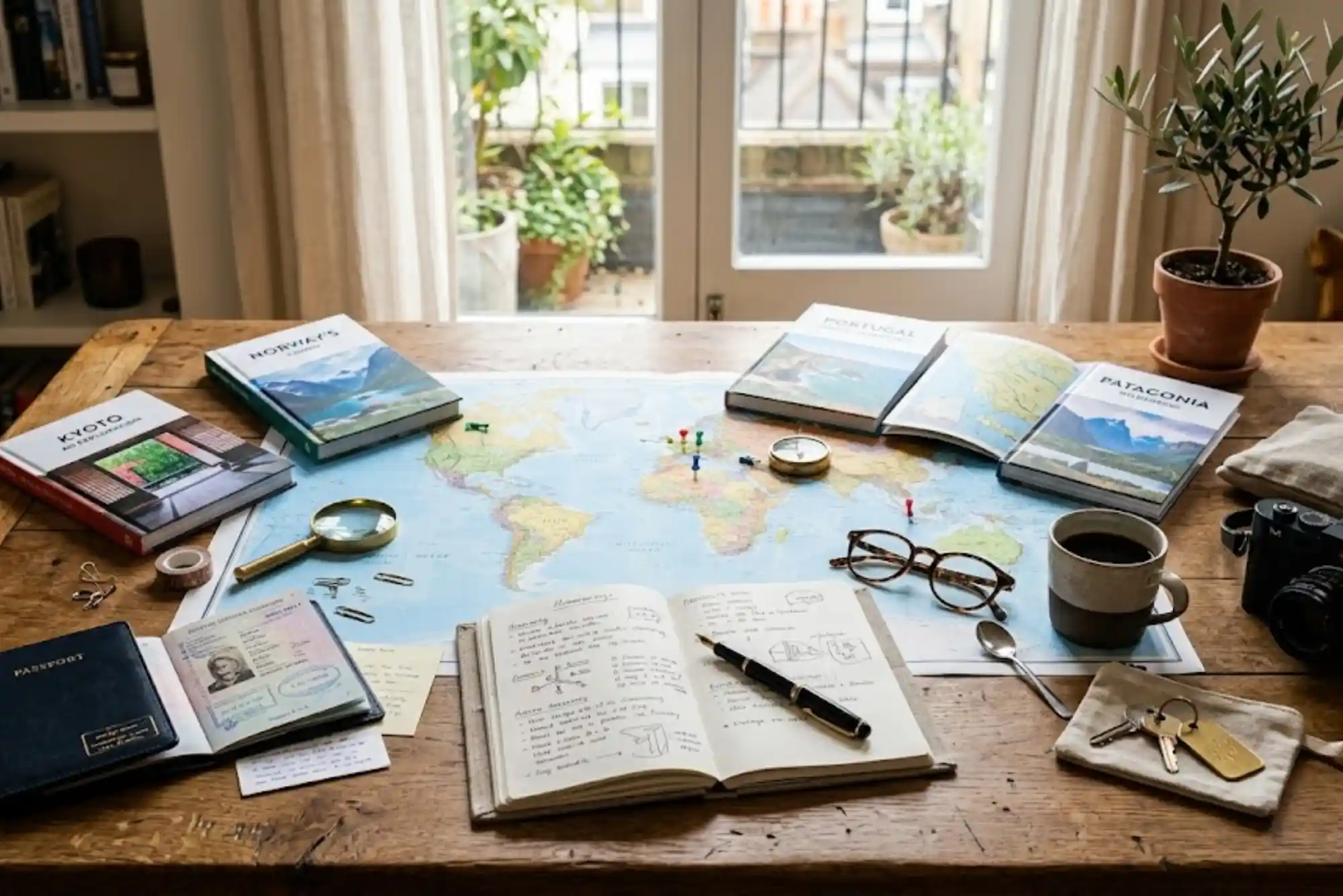
Despite the rise of travel apps, online reviews, and digital maps, travel guide books remain one of the most valuable tools for planning a successful journey. Whether you are preparing for a weekend city break, a long-haul adventure, or an extended cultural tour, a well-written guidebook can provide context, practical advice, and local insights that are often difficult to find elsewhere.
Many travellers still prefer guide books because they offer curated information rather than endless online search results. The best travel books help readers understand destinations, navigate unfamiliar places, discover hidden attractions, and make more informed decisions before and during their trips.
In this guide, we’ll explore what makes great travel guide books, how to choose the right one for your destination, and why combining traditional guidebooks with modern travel resources can improve your overall travel experience.
Why Travel Guide Books Still Matter
Travel planning has changed dramatically over the past decade. Today, travellers can access thousands of reviews, videos, blogs, and social media recommendations within seconds. However, information overload often creates confusion rather than clarity.
Travel guide books solve this problem by providing carefully researched and organised information. Instead of sorting through countless websites, readers can access destination highlights, cultural insights, transportation advice, accommodation recommendations, and suggested itineraries in one place.
Guidebooks are particularly useful when visiting destinations where internet access may be limited or when travellers want a reliable reference that does not depend on mobile data or battery life.
What Makes the Best Travel Books?
The best travel books go beyond listing attractions and hotels. They help travellers understand the culture, history, traditions, and everyday life of a destination.
High-quality travel guide books typically include:
- Detailed destination overviews
- Practical transport information
- Maps and navigation support
- Accommodation suggestions
- Local food recommendations
- Cultural etiquette guidance
- Sample itineraries
- Safety and travel advice
Good guidebooks balance practical information with inspiring storytelling, helping readers become more confident and informed travellers.
The Difference Between Guide Books and Travelogue Books
Although they are often grouped together, guide books and travelogue books serve different purposes.
Guide books focus primarily on helping travellers navigate a destination. They contain practical information designed to assist with planning and logistics.
Travelogue books, on the other hand, are personal accounts of journeys and experiences. They often explore cultural encounters, local perspectives, and unique adventures through storytelling.
Many experienced travellers enjoy reading both. A guidebook provides practical planning support, while a travelogue offers inspiration and a deeper understanding of the destination.
Recommended Travel Books for Different Types of Travellers
Different travellers have different needs. Choosing the right travel guide book often depends on your travel style.
For First-Time International Travellers
Comprehensive guidebooks covering transportation, budgeting, cultural etiquette, and major attractions are often the best choice. These books help build confidence when travelling abroad.
For Cultural Explorers
Travellers interested in history, architecture, museums, and local traditions benefit from guidebooks that provide strong cultural context rather than focusing solely on tourism.
For Adventure Travellers
Adventure-focused guide books often include hiking routes, outdoor activities, regional transportation details, and information about less-visited destinations.
For Luxury Travellers
Some travel books specialise in premium accommodation, fine dining, exclusive experiences, and luxury travel planning.
Digital Resources and Wiki Travel Platforms
Many travellers now combine traditional guidebooks with digital resources such as wiki travel platforms and online travel communities.
Collaborative travel resources can provide up-to-date information on transport schedules, opening hours, and local developments. However, because content may be user-generated, it is often beneficial to verify details through trusted sources.
For example, travellers can supplement guidebook research with information from WikiTravel when looking for recent local updates or practical travel tips.
The most effective travel planning approach often combines professionally researched guidebooks with current digital information.
How Travel Guide Books Improve Trip Planning
Travel guide books offer a structured approach to planning. Rather than creating an itinerary from scratch, travellers can use suggested routes and destination highlights as a starting point.
This helps save time while ensuring that important attractions, cultural experiences, and logistical considerations are not overlooked.
Guidebooks also help travellers estimate budgets more accurately by providing information about transport options, accommodation ranges, and typical travel costs.
Choosing Destination-Specific Guidebooks
Many travellers achieve the best results by using destination-specific books. These guides provide deeper coverage than general travel resources.
For example, travellers planning an Australian adventure may benefit from a dedicated Australia travel guide that explores regional attractions, transportation networks, and seasonal travel considerations.
Similarly, visitors interested in Britain can gain valuable insights from a comprehensive Great Britain travel guide covering major cities, countryside destinations, and cultural landmarks.
Destination-focused resources often deliver more detailed information than broader international travel guides.
The Growing Popularity of Specialist Travel Books
Modern travel publishing has expanded beyond traditional guidebooks. Today, travellers can find books tailored to specific interests such as food tourism, sustainable travel, photography, wellness retreats, and historical exploration.
These specialist publications help travellers build experiences around their passions rather than simply following standard tourist routes.
As travel becomes increasingly personalised, niche guidebooks continue to grow in popularity among experienced travellers seeking unique experiences.
Travel Books as Long-Term Travel Resources
Unlike many online articles that focus on short-term trends, travel guide books often remain useful long after a trip ends. Many travellers keep their favourite guides as reference materials, souvenirs, or sources of inspiration for future journeys.
Travel books can also encourage exploration of new destinations. Someone researching one country may discover nearby regions worth visiting, leading to future adventures.
For example, readers interested in Asia may eventually explore destination-specific resources such as a China travel guide, a best Japan travel guide, or a Malaysia travel guide book as they expand their travel plans.
Final Thoughts
Travel guide books continue to play an important role in modern travel planning. While digital resources provide convenience and real-time updates, professionally researched guidebooks offer structure, reliability, and deeper destination knowledge.
Whether you prefer traditional guide books, inspiring travelogue books, or a combination of both, investing time in quality travel research can lead to more rewarding and memorable journeys.
The best travel books do more than tell you where to go. They help you understand why a destination matters, what experiences are worth prioritising, and how to travel with greater confidence and awareness.
