

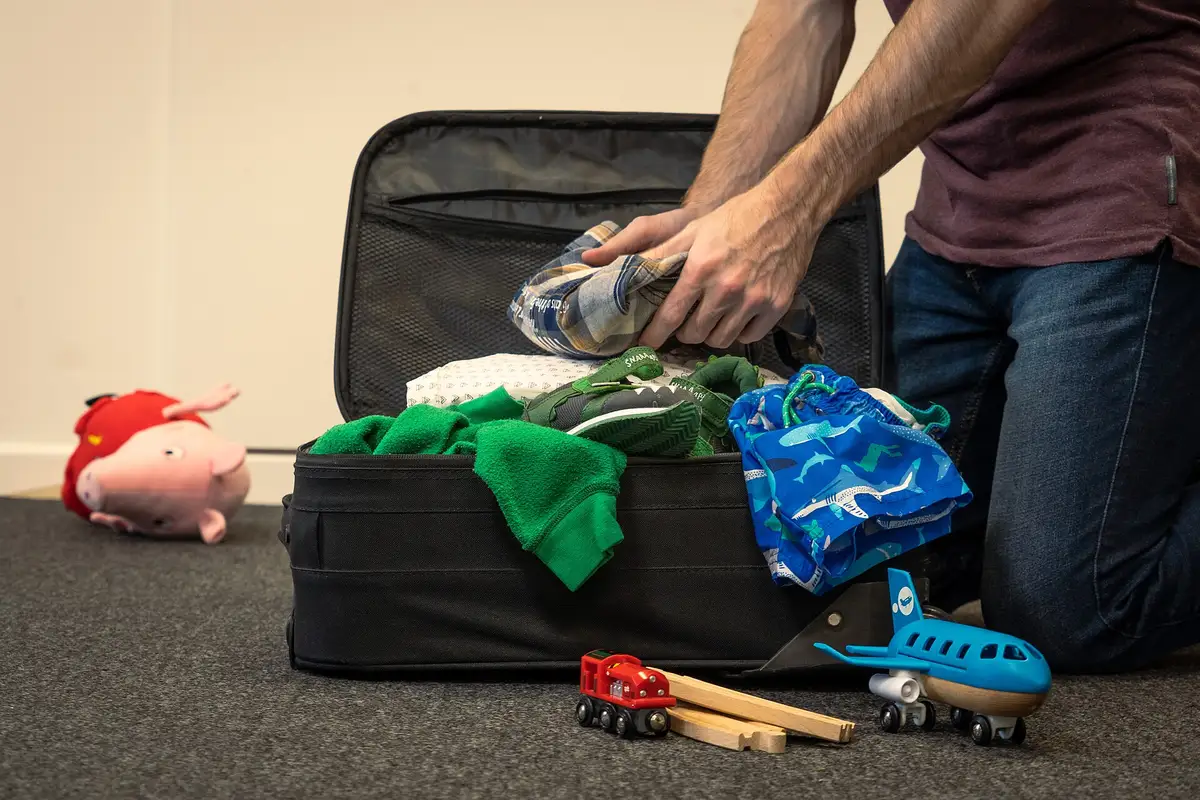
A good cottage holiday packing list is the difference between a break that feels effortless and one that starts with a dash to the nearest supermarket. Self-catering stays give you freedom — your own kitchen, your own schedule, no set breakfast times — but that freedom means the cottage provides the walls, not the details. This guide walks through everything worth packing, room by room, so you can settle in within an hour of arriving and spend the rest of the week actually relaxing.
Why Self-Catering Packing Is Different
Hotels quietly supply dozens of small things you never think about: sharp knives, spare towels, a corkscrew, washing-up liquid, enough mugs for everyone. A holiday cottage may have all of these, some of them, or a well-meaning but eccentric selection. Packing for self-catering is therefore less about clothes and more about covering the gaps. The good news is that most cottages in the UK are well equipped these days, and anything you do forget can usually be bought locally. The list below focuses on the items that are hardest to improvise — and the small comforts that make a cottage feel like home by the first evening.
The Cottage Holiday Packing List: Kitchen Essentials
The kitchen is where self-catering packing matters most, especially if you enjoy cooking. Cottages vary, so bring the handful of tools you would genuinely miss:
- A decent sharp knife and a small chopping board if you cook seriously
- A corkscrew or bottle opener — surprisingly often missing
- Tea, coffee, sugar and a small supply of cooking oil, salt, pepper and favourite spices
- Food storage tubs or bags for leftovers and packed lunches
- A couple of tea towels, washing-up liquid or dishwasher tablets, and bin bags
- Foil, cling film and baking paper for easy roasts and tray bakes
If you are planning your meals in advance, our guide to easy self-catering holiday meal ideas and our simple menu-planning guide will help you shop once and eat well all week without spending the holiday in the kitchen.
Clothing and Comfort for a Countryside Stay
British weather rewards layers. Pack for the season, then add one warmer layer and one waterproof layer beyond what you think you will need — countryside cottages are wonderful, but they are rarely near a clothes shop when the forecast changes. Walking boots or sturdy shoes are essential if you plan to explore footpaths, and a second pair means you are never stuck with wet footwear. Inside the cottage, comfort is the priority: slippers or thick socks for stone floors, loungewear for slow mornings, and a dressing gown if you like an unhurried start. A small bag for dirty laundry keeps suitcases fresher on the way home, and a torch is genuinely useful in villages with no street lighting.
Entertainment, Tech and Rainy-Day Backups
Part of the pleasure of a cottage break is a slower pace, but it is wise to bring your own entertainment rather than relying on whatever the cottage happens to hold. Pack books or an e-reader, a pack of cards, and one or two board games if you are travelling as a group. Download films, playlists and podcasts before you leave, because rural broadband can be leisurely and mobile signal patchy. Bring charging cables for every device, a multi-way adapter if the group is large, and a portable speaker if music matters to you. If the idea of deliberately unplugging appeals more, you may prefer the approach in our guide to slow travel and planning a holiday that truly recharges you.
Food to Bring Versus Food to Buy on Arrival
A sensible split saves both money and stress. Bring the non-perishables you use daily — tea, coffee, cereals, pasta, rice, snacks and any specialist items that village shops may not stock. Buy fresh food locally when you arrive: milk, bread, eggs, meat and vegetables will be better quality, and shopping in the village is part of the experience. Many cottages can also receive a supermarket delivery if you book a slot for your arrival day, which is the easiest way to stock a fridge for a large group. Before you cook, it is worth brushing up on safe food storage and cooking temperatures, particularly if you are feeding children or older relatives.
The Small Extras Everyone Forgets
Ask anyone who rents cottages regularly and they will name the same forgotten items. A basic first-aid kit with plasters, painkillers and any prescription medicines sits at the top. Then come toiletries beyond the basics — cottages often provide a starter supply only — plus sun cream and insect repellent in summer, and lip balm and hand cream in winter. A phone charger for the car, a reusable shopping bag or two, and a small sewing kit all earn their space. If you are celebrating something, candles and a lighter turn an ordinary supper into an occasion. Finally, photograph the cottage’s instruction folder on arrival: heating controls, Wi-Fi codes and bin days are much easier to find on your phone than in a drawer.
Settling In: The First-Hour Routine
How you unpack shapes the whole break. Put food away first, then make the beds if linen is provided in bags, and turn the heating or hot water on before you need it. A quick walk around the cottage to find the stopcock, fuse box and fire extinguisher is boring but sensible. After that, stop organising. Make tea, sit down, and let the holiday begin — our reflection on the art of doing nothing on a cottage break is a good reminder that rest is the point of the trip. If your break includes some pampering, our guide to choosing the right UK spa break can help you plan a day of proper indulgence too.
Dogs, Children and Longer Stays
Travelling with a dog adds a short list of its own: lead, food and treats, a towel reserved for muddy paws, waste bags, and a blanket that smells of home for the dog’s bed. Many cottages sit beside livestock, so a lead you trust matters more than usual. With children, the wins are familiarity and snacks — a favourite toy, bedtime book and familiar breakfast foods soften the first night in a strange house. For stays of a week or more, add laundry supplies, a wider rotation of clothes, and any hobby kit you would genuinely use, from walking poles to watercolours. The longer the stay, the more a cottage rewards treating it as a temporary home rather than a hotel room.
Pack thoughtfully once, and a self-catering cottage holiday becomes the easiest kind of break there is: home comforts, a new landscape outside the window, and nothing on the schedule unless you put it there. Use this cottage holiday packing list as your starting point, adapt it to your group, and enjoy the stay.
