

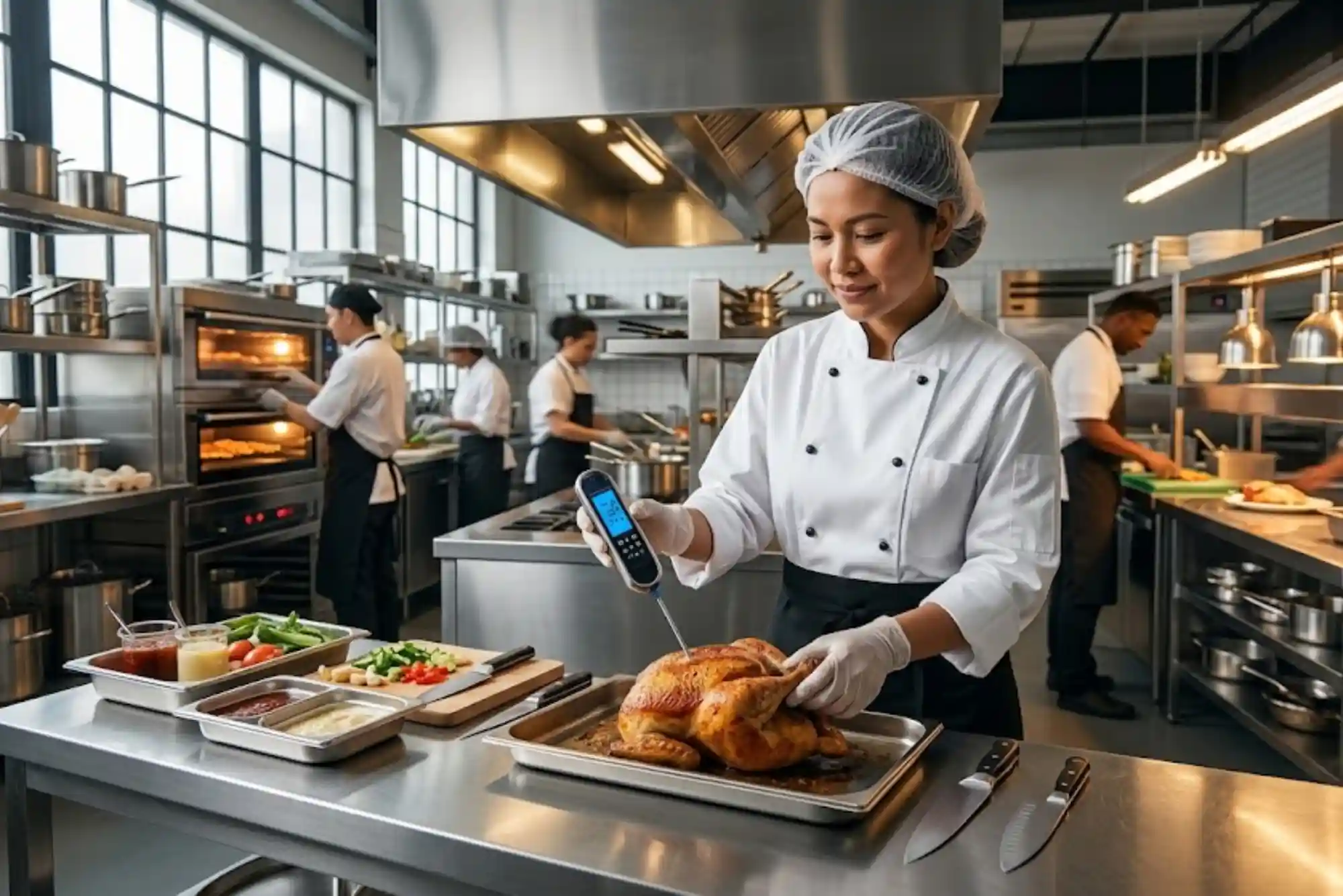
Food safety temperatures play a critical role in preventing foodborne illness and maintaining high standards of food hygiene. Whether you are preparing meals at home, operating a restaurant, managing a catering business, or working in a food production environment, understanding temperature control is essential for protecting consumers and ensuring legal compliance.
Many harmful bacteria grow rapidly when food is kept within certain temperature ranges. Proper cooking, chilling, storage, and reheating practices help minimise these risks and contribute to safer food handling throughout the food supply chain.
Why Food Safety Temperatures Matter
Bacteria that cause foodborne illness can multiply quickly when food is stored or handled incorrectly. Temperature control is one of the most effective methods for reducing microbial growth and maintaining food quality.
Food safety temperatures help:
- Reduce the risk of food poisoning
- Protect customers and staff
- Maintain food quality
- Support legal compliance
- Improve food hygiene standards
- Reduce food waste
For food businesses, monitoring temperatures is often a key part of documented food safety procedures.
The Food Temperature Danger Zone
The temperature danger zone refers to the range in which harmful bacteria can grow most rapidly.
In general, food should not be left for extended periods within this temperature range. The longer food remains in the danger zone, the greater the risk of bacterial growth.
Effective temperature control focuses on keeping cold foods sufficiently chilled and ensuring hot foods remain hot until served.
Safe Cooking Temperatures
Cooking food thoroughly is one of the most important food safety measures. Proper cooking destroys many harmful microorganisms that may be present in raw ingredients.
Poultry
Chicken, turkey, duck, and other poultry products should be cooked thoroughly until piping hot throughout.
Minced Meat Products
Burgers, meatballs, sausages, and other minced meat products require thorough cooking because bacteria can be distributed throughout the product during processing.
Whole Cuts of Meat
Steaks and whole cuts may have different cooking recommendations depending on preparation methods and risk assessments.
Fish and Seafood
Fish should be cooked until the flesh becomes opaque and flakes easily.
Using a reliable food thermometer provides the most accurate way to verify cooking temperatures.
Safe Cold Storage Temperatures
Refrigeration slows bacterial growth and helps preserve food quality.
Good refrigeration practices include:
- Checking fridge temperatures regularly
- Avoiding overcrowding
- Keeping raw and ready-to-eat foods separate
- Covering stored foods properly
- Following use-by dates
Consistent cold storage is especially important for high-risk foods such as dairy products, cooked meats, seafood, and prepared meals.
Freezer Storage and Food Safety
Freezing significantly slows bacterial activity and helps preserve food for longer periods.
While freezing does not necessarily destroy all microorganisms, it prevents most bacterial growth while the food remains frozen.
Best practices include:
- Labelling frozen foods
- Rotating stock regularly
- Using airtight packaging
- Defrosting safely in refrigeration where appropriate
Safe Reheating Temperatures
Reheating food correctly is just as important as cooking it properly the first time.
When reheating leftovers or prepared meals:
- Heat food thoroughly throughout
- Stir when possible to distribute heat evenly
- Avoid partial reheating
- Serve promptly after reheating
Food should generally only be reheated once unless specific food safety procedures indicate otherwise.
Hot Holding Temperatures
Restaurants, caterers, and food service providers often need to keep food hot before serving.
Effective hot holding helps prevent bacteria from multiplying while maintaining food quality.
Examples include:
- Buffet service
- Carvery stations
- Catering events
- Takeaway food preparation
Regular monitoring and documentation help ensure food remains within safe temperature ranges.
Temperature Monitoring Equipment
Accurate equipment is essential for maintaining food safety standards.
Probe Thermometers
Widely used for checking internal food temperatures during cooking and reheating.
Infrared Thermometers
Useful for measuring surface temperatures but may not replace internal temperature checks.
Fridge and Freezer Thermometers
Help verify storage conditions remain within safe operating ranges.
All monitoring equipment should be maintained and calibrated according to manufacturer guidance.
Food Safety Temperatures and Food Hygiene Inspections
Temperature management is often reviewed during food hygiene inspections. Inspectors may examine records, procedures, equipment maintenance, and staff training practices.
Businesses preparing for an inspection can benefit from using a structured food hygiene inspection checklist uk to assess compliance and identify areas for improvement.
Consistent record-keeping demonstrates that food safety procedures are actively managed rather than applied only during inspections.
Training Staff in Temperature Control
Food handlers should understand:
- Safe storage procedures
- Cooking requirements
- Cross-contamination prevention
- Temperature monitoring techniques
- Correct use of thermometers
- Record-keeping requirements
Effective staff training helps reduce risks and supports a strong food safety culture within the workplace.
Where Can You Get Advice on Food Handling at Work?
Food businesses and employees often seek guidance on food safety responsibilities and workplace procedures.
If you’re wondering where can you get advice on food handling at work, support may be available through employers, food safety consultants, environmental health departments, accredited training providers, and official government resources.
Seeking professional guidance helps ensure procedures remain aligned with current food safety requirements.
Food Safety and Menu Planning
Temperature control should be considered during menu development as well as food preparation.
When carrying out menu planning, food businesses should consider storage requirements, preparation times, holding conditions, and safe service procedures.
Proper planning helps reduce food waste while supporting compliance with food safety standards.
Common Food Temperature Mistakes
Leaving Food Out Too Long
Allowing food to remain at room temperature for extended periods increases the risk of bacterial growth.
Overloading Refrigeration Units
Poor air circulation can affect cooling performance and compromise food safety.
Failing to Verify Temperatures
Visual checks alone are not always sufficient. Thermometers provide more reliable information.
Inadequate Staff Training
Even well-designed procedures can fail if employees do not understand how to apply them correctly.
Trusted Guidance on Food Safety
For comprehensive information about food hygiene regulations, safe food handling, and temperature management, the Food Standards Agency provides official guidance for consumers, food businesses, and industry professionals throughout the UK.
Final Thoughts
Food safety temperatures are a fundamental part of safe food handling and effective food hygiene management. From cooking and reheating to refrigeration and hot holding, proper temperature control helps reduce the risk of foodborne illness while supporting food quality and regulatory compliance.
Whether you manage a commercial kitchen, operate a food business, or simply prepare meals at home, understanding and applying safe temperature practices is one of the most effective ways to protect health and maintain confidence in the food you serve.
