

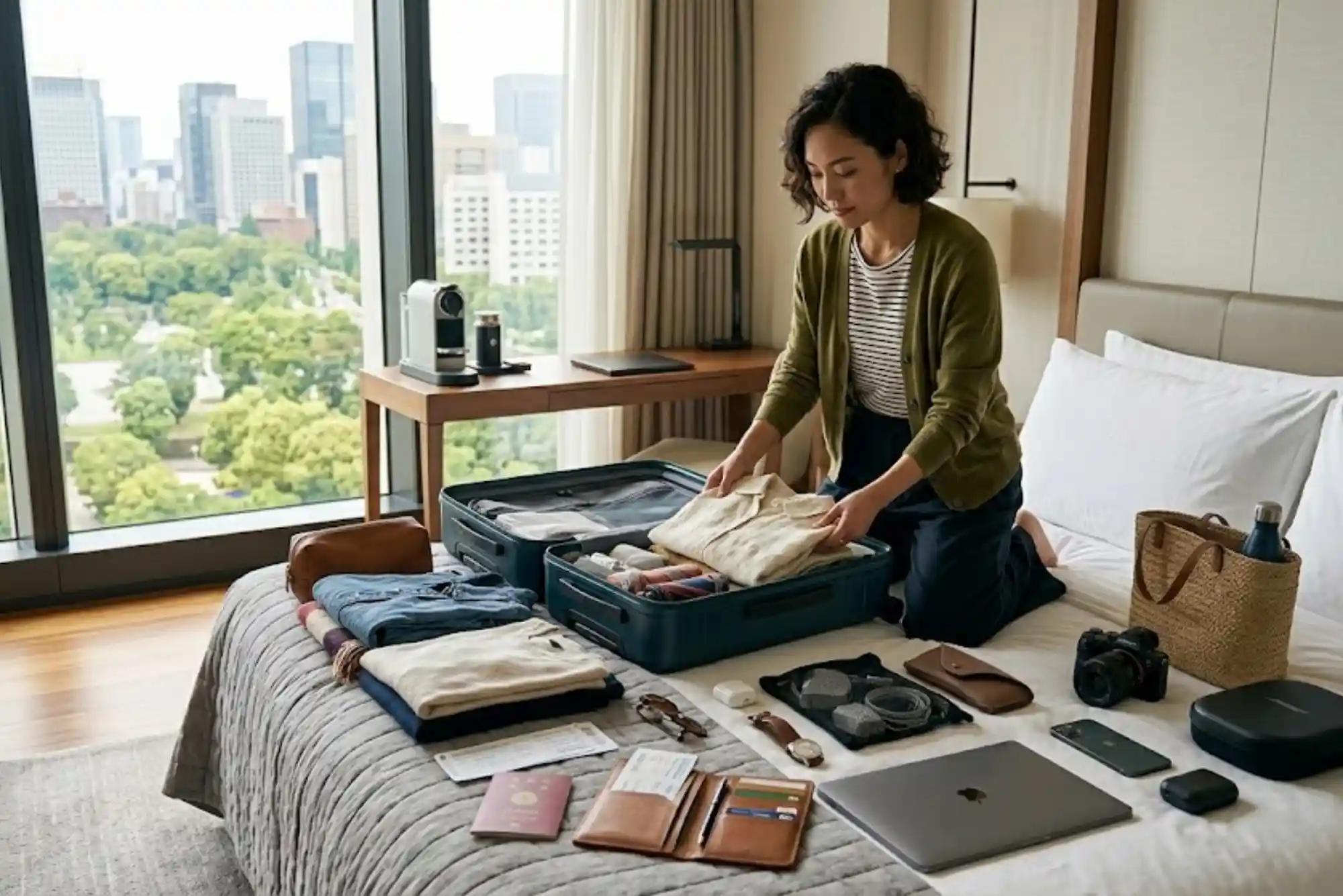
Packing is one of the most overlooked parts of travel planning, yet it can have a major impact on your overall experience. An overpacked suitcase can create unnecessary stress, increase baggage fees, and make moving between destinations more difficult. On the other hand, packing too little can leave travellers without essential items.
Understanding how to pack a suitcase properly helps maximise luggage space, reduce travel stress, and ensure you have everything needed for a comfortable trip.
Whether you’re preparing for a weekend city break, a family holiday, or an extended international adventure, a strategic packing approach can make travelling significantly easier.
Why Efficient Packing Matters
Well-organised luggage saves time throughout your journey. It makes airport security checks smoother, simplifies hotel arrivals, and reduces the frustration of searching through cluttered bags.
Efficient packing also helps travellers avoid excess baggage charges while keeping important items accessible when needed.
Start With a Packing List
One of the most effective ways to avoid overpacking is to create a checklist before opening your suitcase.
A structured packing list helps identify essentials while reducing the likelihood of bringing unnecessary items.
Many travellers find it useful to use a customised version of a holiday packing list PDF before every trip.
Consider Your Destination
Climate, activities, accommodation type, and trip duration should all influence your packing decisions.
For example, a city break requires different clothing and accessories compared with a beach holiday or adventure trip.
Choose the Right Suitcase
Successful packing starts with selecting luggage that matches your travel plans.
For short trips, many travellers prefer very lightweight carry on luggage to avoid checked baggage fees and simplify airport navigation.
Longer holidays may require larger suitcases, but travellers should still avoid choosing bags that encourage excessive packing.
Use the Rolling Method
Rolling clothes rather than folding them is one of the most popular packing techniques.
Benefits include:
- Better use of available space
- Reduced wrinkling
- Improved organisation
- Easier access to clothing items
This approach works particularly well for casual clothing, t-shirts, lightweight trousers, and activewear.
Pack by Category
Grouping similar items together improves organisation and makes it easier to find what you need during your trip.
Consider separating:
- Clothing
- Toiletries
- Electronics
- Travel documents
- Footwear
- Accessories
Many experienced travellers use packing cubes to maintain order throughout their journey.
Prioritise Versatile Clothing
When deciding what to pack, versatility is often more valuable than quantity.
Choose items that can be worn in multiple combinations rather than packing separate outfits for every occasion.
This strategy significantly reduces luggage volume while maintaining flexibility.
Keep Essential Items Accessible
Certain items should remain easy to access throughout your journey.
Examples include:
- Passport
- Travel tickets
- Mobile phone charger
- Medication
- Wallet
- Travel insurance documents
Keeping these essentials in your carry-on bag helps avoid complications if checked luggage is delayed.
Packing for Family Travel
Travelling with children requires additional preparation and organisation.
Parents should ensure that key items are easily accessible during flights, train journeys, or long car trips.
Families often benefit from preparing dedicated checklists that include baby holiday essentials before departure.
Having a structured plan reduces the risk of forgetting important items.
Don’t Forget Travel Accessories
The right accessories can make travelling more convenient and comfortable.
Popular options include travel organisers, luggage tags, neck pillows, reusable water bottles, and power banks.
Many travellers also choose personalised travel accessories that help identify luggage quickly and add a personal touch to their travel gear.
Planning for Short Breaks
Short trips often present a different packing challenge. Many travellers pack far more than they actually need for a two- or three-day getaway.
A focused weekend trip packing list can help streamline preparations and prevent unnecessary baggage.
For most short breaks, carry-on luggage is often sufficient.
Common Packing Mistakes to Avoid
- Packing for every possible scenario
- Bringing too many shoes
- Ignoring airline baggage restrictions
- Forgetting chargers and adapters
- Packing valuable items in checked luggage
- Waiting until the last minute to pack
Avoiding these common mistakes can improve both convenience and travel efficiency.
Packing for International Travel
Long-haul trips require additional preparation compared with domestic travel.
Travellers heading abroad should consider destination-specific requirements, local weather conditions, and cultural expectations.
Whether you’re following our Italy travel locator guide, planning adventures through the guide book Thailand, or exploring destinations in our New Zealand vacation guide, packing appropriately can enhance the overall travel experience.
Checking Airline Baggage Rules
Baggage allowances vary considerably between airlines.
Before departure, travellers should review the latest luggage restrictions and baggage guidance through their airline’s official website or trusted aviation resources such as the IATA Travel Centre.
Understanding baggage policies in advance helps avoid unexpected fees and travel disruptions.
Final Thoughts
Learning how to pack a suitcase efficiently is one of the simplest ways to improve any journey. A thoughtful packing strategy reduces stress, saves space, and helps travellers stay organised from departure to return.
By choosing the right luggage, creating a practical packing list, prioritising versatile items, and avoiding common mistakes, travellers can enjoy a smoother and more comfortable travel experience regardless of destination.
