

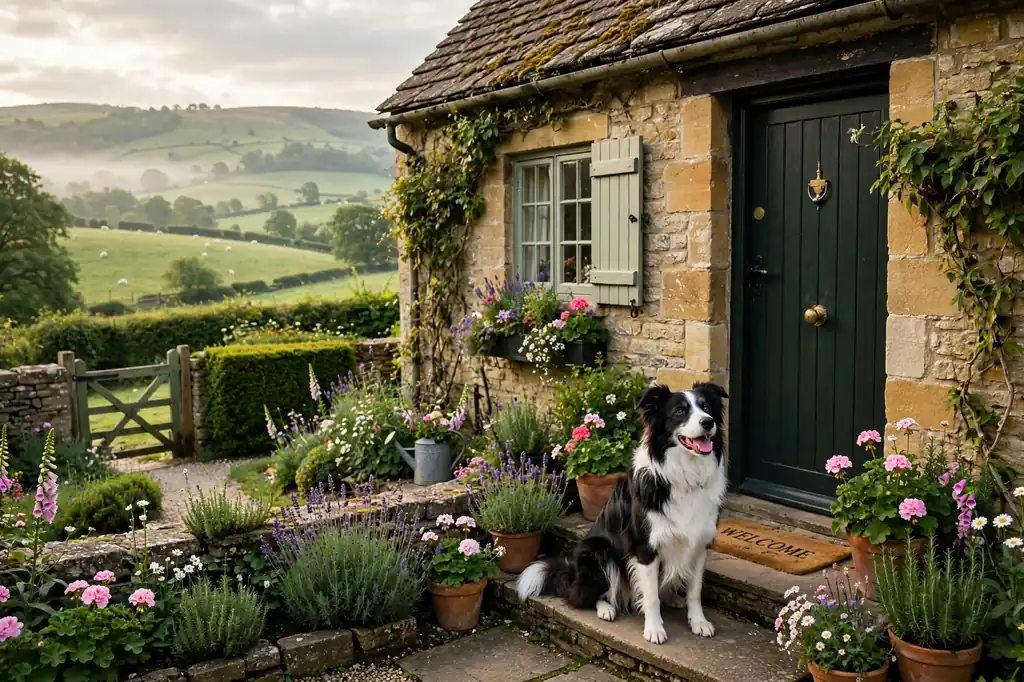
For many of us, a holiday is not quite a holiday if the dog has to stay behind. The good news is that dog-friendly cottage holidays have never been easier to arrange in the UK: thousands of cottages now welcome dogs, and the best of them treat four-legged guests as properly as the two-legged kind. With a little planning, a break with your dog can be every bit as relaxing as one without — and a lot more fun.
This guide covers how to choose the right cottage, what to check before you book, what to pack for your dog, and how to make the break stress-free for everyone, including the dog.
Choosing the Right Dog-Friendly Cottage
Start with the garden. An enclosed, secure garden is the single most valuable feature on dog-friendly cottage holidays, because it lets your dog stretch, sniff and settle safely while you unpack. Check whether “dog-friendly” means one small dog or several larger ones, and whether there is a per-dog charge — many cottages include the first dog free and charge a small fee for additional dogs.
Inside, hard floors in the kitchen and hallway make muddy paws a non-issue, and a downstairs utility or porch is ideal for drying off after wet walks. Think about stairs, too: older dogs and puppies may struggle with steep cottage staircases, so a bungalow or a cottage with a downstairs bedroom can be a wiser choice.
Location: Walks from the Door
The best dog-friendly breaks have good walks starting at the cottage gate, so you are not driving before every outing. Coastal cottages give you beaches and cliff paths, but check seasonal dog restrictions on popular beaches — many have dog-free zones between May and September, with dog-friendly sections clearly signed. Countryside cottages near footpaths, forests and rivers tend to work all year round.
Scotland is a superb choice for dogs, with vast open spaces and a famously relaxed attitude to walkers; our guide to cottage holidays in Scotland will help you pick an area. Wherever you choose, a village with a dog-friendly pub — most country pubs now welcome dogs in the bar — makes evenings out simple.
What to Pack for Your Dog
Dogs settle faster with familiar things around them. Pack their usual food (a sudden change of diet on holiday is a recipe for an upset stomach), their bed or blanket, a couple of favourite toys, and their lead, collar and any medication. Old towels are essential for muddy paws, and a long line is useful for gardens that are pretty but not perfectly secure.
Our cottage holiday packing list covers the human essentials; add a dog section to it and you will not forget the poop bags. It is also worth saving the number of a local vet in your phone before you travel — you almost certainly will not need it, but finding one at midnight in a strange area is no fun at all.
Settling In: The First Evening
Arrive, let the dog explore the garden first, then walk them around the cottage on the lead before letting them roam. Feed them at the usual time in the usual bowl if you brought it, and keep the first evening calm and familiar. Most dogs accept a new place within hours if their routine and their people are unchanged.
Resist the urge to head straight out for a long walk after a long drive. A short leg-stretch, dinner and an early night set everyone up for the holiday proper — this is, after all, a slow travel kind of break, where the first day sets a gentler pace for the rest.
Days Out with Your Dog
Plan days around a good morning walk, a lazy middle of the day, and a shorter evening stroll — a rhythm most dogs adore. Many attractions now welcome dogs in their grounds even when the house itself is off-limits, and National Trust and English Heritage sites are generally excellent for dogs on leads. Forestry trails are another favourite: shaded in summer, sheltered in winter, and full of interesting smells.
Build in downtime, too. A dog who has walked further than usual for three days running will be as tired as you are, and a quiet afternoon in the garden is a legitimate holiday plan. Our ideas for cheap weekend vacations include plenty of low-cost, dog-compatible days out, and a digital detox break with long walks and no screens suits dogs down to the ground.
Getting There: The Journey with Your Dog
Plan the drive as part of the holiday rather than an obstacle before it. Stop every couple of hours for water and a leg-stretch, never leave your dog in a warm car, and secure them with a harness or crate so the journey is safe as well as calm. If your dog is a nervous traveller, a few short practice trips in the weeks before — ideally ending somewhere enjoyable — can transform how they feel about the car. Arriving with a settled dog makes the first evening easier for everyone, and it protects the whole point of the trip: a relaxing cottage break that feels restful from the moment you turn the key.
Cottage Etiquette for Dog Owners
A few courtesies keep cottages dog-friendly for the next guests. Keep dogs off beds and sofas unless the owner explicitly allows it — bringing your own throws is a good compromise. Never leave a dog alone in an unfamiliar cottage unless you are certain they will settle; new places can make even confident dogs anxious and vocal.
At the end of the stay, do a paw-print check: wipe down doors at dog height, vacuum the worst of the hair, and bag any mess in the garden. Owners notice, and the glowing reviews that responsible dog owners leave — and receive — are what keep so many cottages open to dogs.
When a Dog-Friendly Break Works Best
Shoulder seasons are the sweet spot: spring and autumn bring quieter paths, cooler walking weather and lower prices, and your dog will cope far better than in high summer heat. Winter breaks suit hardy breeds and owners who enjoy a fireside evening after a brisk walk; just pack a dog coat for fine-coated breeds and check the cottage has somewhere to dry wet gear.
Whenever you go, the formula is simple: a secure garden, walks from the door, familiar things from home and a pace that suits you both. Get those right, and dog-friendly cottage holidays stop feeling like a compromise and start feeling like the only way to travel.
