

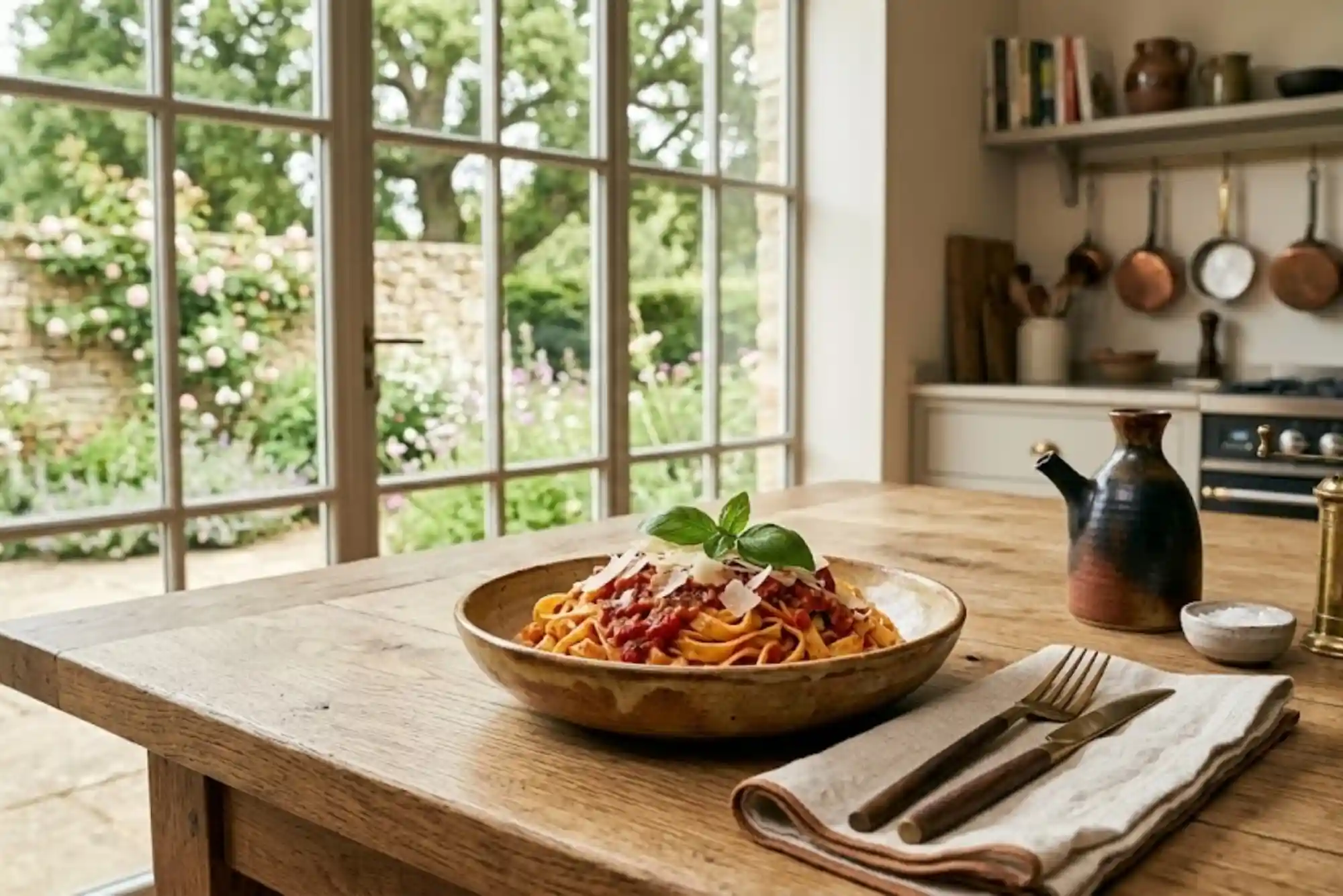
Few dishes represent the comfort and tradition of Italian cooking as well as tagliatelle. This ribbon-shaped pasta originates from the Emilia-Romagna region of Italy and is known for its ability to hold rich sauces while maintaining a delicate texture. Whether served with a slow-cooked meat ragù, seasonal vegetables, or creamy cheese-based sauces, tagliatelle remains a favourite among home cooks and restaurant chefs alike.
If you’re looking for a reliable tagliatelle recipe that delivers authentic flavour while remaining accessible for everyday cooking, this guide covers everything from ingredients and preparation to serving suggestions and creative variations.
What Is Tagliatelle?
Tagliatelle is a traditional Italian pasta made from eggs and flour. The pasta is rolled into thin sheets and cut into long ribbons, typically wider than fettuccine but narrower than pappardelle.
Its broad surface area makes it ideal for holding sauces, which is why it is commonly paired with hearty recipes such as ragù alla Bolognese. The pasta’s texture also works beautifully with lighter cream, mushroom, and vegetable-based dishes.
Traditional Tagliatelle Recipe
Ingredients
- 300g tagliatelle pasta (fresh or dried)
- 2 tablespoons olive oil
- 2 garlic cloves, finely chopped
- 400g chopped tomatoes
- 1 small onion, finely diced
- Fresh basil leaves
- Salt and black pepper to taste
- 50g grated Parmesan cheese
Method
- Bring a large pan of salted water to a rolling boil.
- Cook the tagliatelle according to package instructions or until al dente.
- While the pasta cooks, heat olive oil in a large frying pan.
- Add onion and garlic, cooking gently until softened.
- Stir in chopped tomatoes and simmer for 15–20 minutes.
- Season with salt, pepper, and fresh basil.
- Drain the pasta, reserving a small amount of cooking water.
- Toss the tagliatelle through the sauce until evenly coated.
- Add a splash of reserved pasta water if needed.
- Serve immediately with grated Parmesan.
This simple preparation highlights the pasta itself while providing a foundation for countless variations.
Why Tagliatelle Works So Well with Italian Sauces
The shape of tagliatelle allows sauces to cling to every strand. Unlike thinner pasta varieties, it offers enough surface area to capture ingredients while maintaining a satisfying bite.
Popular pairings include:
- Beef ragù
- Creamy mushroom sauce
- Tomato and basil sauce
- Seafood sauces
- Truffle cream sauces
- Roasted vegetable sauces
This versatility makes tagliatelle one of the most useful pasta shapes in Italian cooking.
Adding Mozzarella for Extra Richness
Fresh mozzarella can transform a simple pasta dish into something more indulgent. Torn mozzarella added just before serving creates pockets of creamy texture that complement tomato-based sauces particularly well.
If you enjoy cooking with cheese, you may also want to explore additional mozzarella recipes that showcase this versatile Italian ingredient in appetisers, salads, and baked dishes.
Turning Tagliatelle into a Pasta Bake
While tagliatelle is traditionally served fresh from the pan, it can also be adapted into comforting pasta bake dishes recipes that are ideal for family meals.
To create a baked version:
- Cook the pasta slightly under al dente.
- Combine with tomato or cream sauce.
- Add mozzarella and Parmesan.
- Transfer to an ovenproof dish.
- Bake until golden and bubbling.
This approach creates a hearty meal that can be prepared in advance and served for gatherings or busy weeknight dinners.
Best Cheese Pairings for Tagliatelle
Cheese plays an important role in many pasta recipes. While Parmesan is the classic choice, several other varieties work exceptionally well with tagliatelle.
Parmesan
Provides a savoury, nutty finish that enhances almost any sauce.
Pecorino Romano
Offers a sharper flavour and works particularly well in creamy pasta dishes.
Mozzarella
Adds a mild creaminess and excellent melting qualities.
Ricotta
Creates a lighter, softer texture that pairs beautifully with vegetables.
For readers interested in broader cheese-based cooking, a dedicated collection of cheese recipes can provide additional inspiration.
Serving Suggestions for Different Occasions
Family Dinners
Serve tagliatelle with a rich tomato sauce, garlic bread, and a fresh green salad for a crowd-pleasing meal.
Date Nights
Pair freshly made tagliatelle with mushrooms, cream, and Parmesan for an elegant but approachable dinner.
Weekend Entertaining
Create a complete Italian menu by beginning with classic italian starters before serving tagliatelle as the main course.
Common Mistakes to Avoid
Overcooking the Pasta
Tagliatelle should retain a slight firmness. Overcooked pasta can become soft and lose its ability to hold sauce.
Using Too Little Salt
The pasta cooking water should be properly seasoned to enhance flavour throughout the dish.
Skipping Pasta Water
Reserved cooking water helps emulsify sauces and create a silky finish.
Adding Cheese Too Early
Most cheeses should be added just before serving to preserve texture and flavour.
Making Fresh Homemade Tagliatelle
Although dried pasta is convenient, homemade tagliatelle delivers exceptional texture and flavour.
A traditional dough contains:
- 300g Italian 00 flour
- 3 large eggs
The dough is kneaded until smooth, rested, rolled thinly, and cut into ribbons before cooking. While it requires extra effort, many cooks find the results worthwhile.
Building an Italian-Themed Menu Around Tagliatelle
Tagliatelle works exceptionally well as the centrepiece of an Italian dining experience. Start with light antipasti, follow with a fresh pasta course, and finish with traditional desserts.
For a complete menu, consider pairing this pasta dish with classic italian food starters and ending the meal with homemade italian sweets recipes. This creates a balanced progression of flavours while showcasing different aspects of Italian cuisine.
Learning More About Traditional Italian Pasta
Italian pasta traditions vary widely by region, with each area offering unique shapes, ingredients, and cooking methods. Resources such as the Gambero Rosso International provide valuable insights into authentic Italian food culture, recipes, and culinary techniques.
Final Thoughts
A well-made tagliatelle recipe demonstrates why Italian cooking remains so popular around the world. With its silky texture, ability to carry flavourful sauces, and versatility across countless dishes, tagliatelle is a staple worth mastering.
Whether you prefer a simple tomato sauce, rich ragù, creamy mushroom preparation, or a baked variation topped with mozzarella, tagliatelle offers endless possibilities. By focusing on quality ingredients, careful cooking, and traditional techniques, you can create a restaurant-quality Italian meal from the comfort of your own kitchen.
