


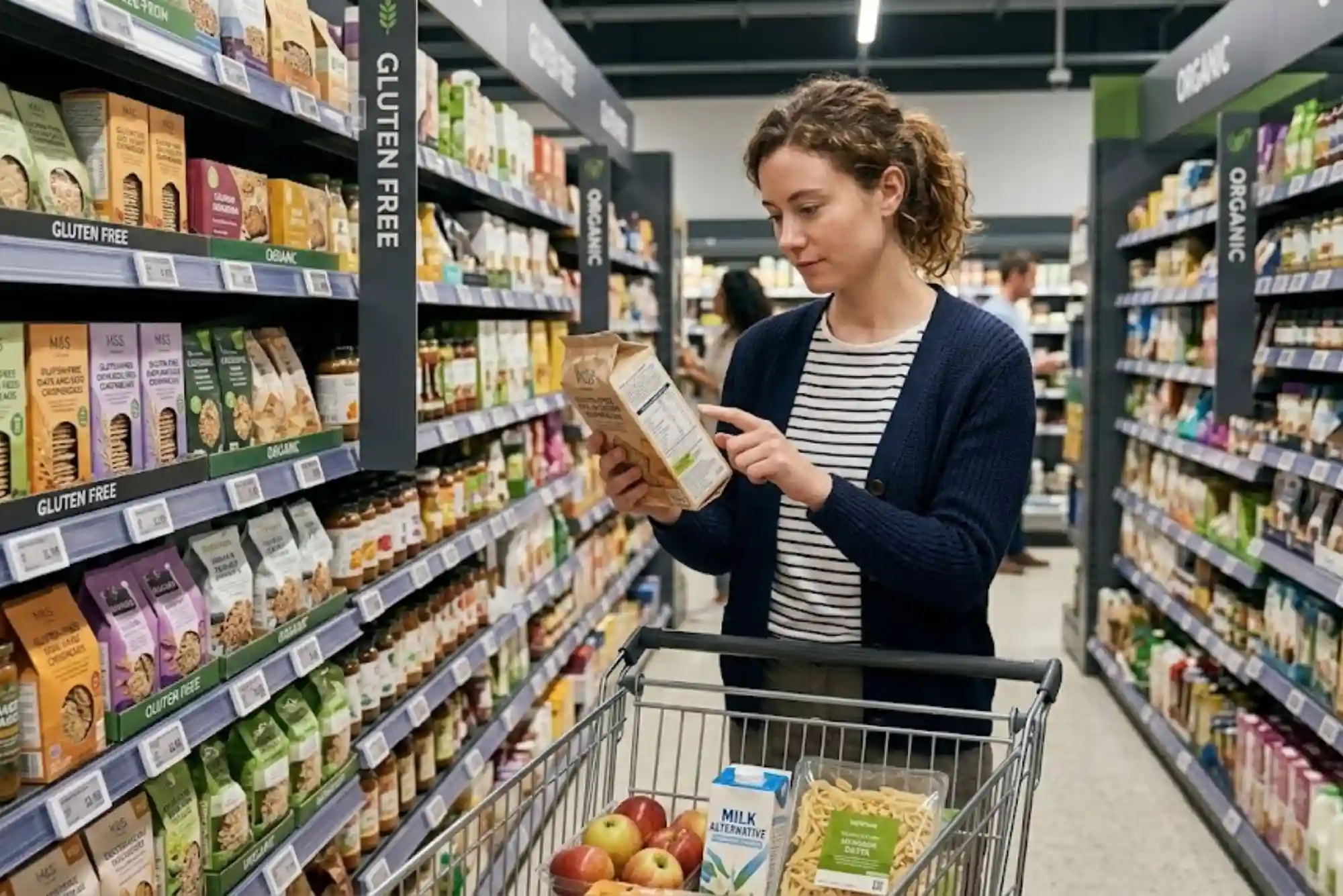
Food labels are an important tool for understanding what is in the products we buy and consume every day. They provide valuable information about ingredients, nutritional content, allergens, storage instructions, and serving sizes, helping consumers make more informed decisions about their diets.
Despite appearing straightforward, food labels can sometimes seem confusing. Percentages, nutrient values, ingredient lists, and health claims often contain more information than many shoppers know how to interpret.
Learning how to read food labels effectively can help support healthier eating habits, improve nutritional awareness, and make grocery shopping easier.
What Are Food Labels?
Food labels are information panels displayed on food packaging that provide details about a product’s contents, nutritional value, ingredients, and safety information.
They are designed to help consumers:
- Compare products
- Understand nutritional content
- Identify allergens
- Monitor calorie intake
- Choose foods that align with dietary goals
- Follow storage and preparation instructions
In the UK, food labelling regulations require specific information to be provided on many packaged products.
The Main Sections of a Food Label
Product Name
The name of the food provides a clear indication of what the product is and often highlights key characteristics.
Ingredients List
Ingredients are usually listed in descending order by weight, meaning the ingredient present in the largest quantity appears first.
This section can help consumers identify added sugars, oils, preservatives, flavourings, and other ingredients.
Allergen Information
Food labels identify common allergens that may pose risks to sensitive individuals.
Common allergens include:
- Milk
- Eggs
- Fish
- Peanuts
- Tree nuts
- Soya
- Wheat
- Sesame
Nutrition Information Panel
This section provides detailed nutritional information, usually per 100g, per 100ml, and sometimes per serving.
Understanding Nutritional Values
Nutrition panels typically include:
- Energy (calories)
- Fat
- Saturates
- Carbohydrates
- Sugars
- Protein
- Salt
Comparing products using the per-100g values often provides the most accurate way to assess nutritional differences.
What Do Traffic Light Labels Mean?
Many food products in the UK use traffic light labelling on the front of packaging.
These colour-coded indicators help consumers quickly assess whether a product contains low, medium, or high amounts of certain nutrients.
- Green generally indicates lower amounts.
- Amber indicates moderate amounts.
- Red indicates higher amounts.
This system can be particularly useful when comparing similar products.
Food Labels and Balanced Nutrition
Food labels become most useful when viewed as part of an overall healthy eating pattern rather than focusing on a single nutrient.
Using information from labels alongside a balanced diet platter approach can help consumers make more informed choices about the foods they eat regularly.
This encourages a focus on overall dietary balance rather than individual products alone.
Understanding Minerals on Food Labels
Many products highlight important vitamins and minerals that contribute to overall health.
Minerals are essential nutrients involved in numerous bodily functions, including bone development, muscle function, and immune system support.
If you’re unfamiliar with the topic, understanding what is a food mineral can help explain why these nutrients often appear on food packaging.
Common Minerals Found on Food Labels
Calcium
Important for bones and teeth.
Iron
Supports oxygen transport throughout the body.
Magnesium
Contributes to muscle and nerve function.
Potassium
Helps regulate fluid balance and muscle activity.
Zinc
Supports immune system function.
Many consumers actively seek food that is rich in minerals to help support a balanced and varied diet.
Serving Sizes and Portion Awareness
One of the most commonly misunderstood aspects of food labels is serving size information.
Manufacturers may provide nutritional values for:
- 100g or 100ml
- A recommended serving
- An entire package
Understanding the difference is important because actual consumption may differ significantly from the suggested serving size.
How Food Labels Help with Healthy Eating
Reading food labels can support healthier choices by helping consumers:
- Compare products
- Monitor sugar intake
- Assess salt levels
- Identify fibre-rich options
- Understand calorie content
- Choose foods that fit dietary goals
Combined with effective menu planning, food labels can make it easier to build balanced meals throughout the week.
Common Food Label Misunderstandings
“Low Fat” Does Not Always Mean Healthy
Some low-fat products may contain added sugars or other ingredients to compensate for flavour and texture.
Natural Claims Can Be Misleading
The term “natural” does not automatically indicate superior nutritional value.
Ingredient Order Matters
Ingredients appearing first are typically present in the greatest amounts.
Health Claims Should Be Viewed in Context
No single food determines the quality of an overall diet.
Tips for Reading Food Labels More Effectively
- Check ingredient lists as well as nutrition panels.
- Compare products using per-100g values.
- Pay attention to serving sizes.
- Look for fibre-rich foods where appropriate.
- Monitor added sugars and salt.
- Consider the product’s role within your overall diet.
Over time, these habits can make shopping decisions faster and more informed.
Food Labels and the Five Food Groups
Food labels can also help consumers understand how products contribute to overall dietary balance.
Learning about the 5th food group alongside other food groups provides useful context when evaluating products and planning nutritious meals.
Rather than focusing on a single nutrient, considering the wider nutritional picture often leads to better long-term dietary choices.
Trusted Guidance on Nutrition Labelling
For reliable information about nutrition, food labelling, healthy eating, and dietary guidance, the NHS Eat Well resource offers evidence-based advice for consumers across the UK.
Final Thoughts
Food labels are a valuable resource for anyone looking to make informed dietary choices. By understanding ingredient lists, nutrition panels, allergen information, serving sizes, and nutrient content, consumers can better evaluate the foods they purchase and consume.
While labels should not be viewed in isolation, they provide useful information that supports healthier eating habits, balanced nutrition, and smarter shopping decisions. Developing the habit of reading food labels regularly can be a simple yet effective step towards improving overall dietary awareness.
