

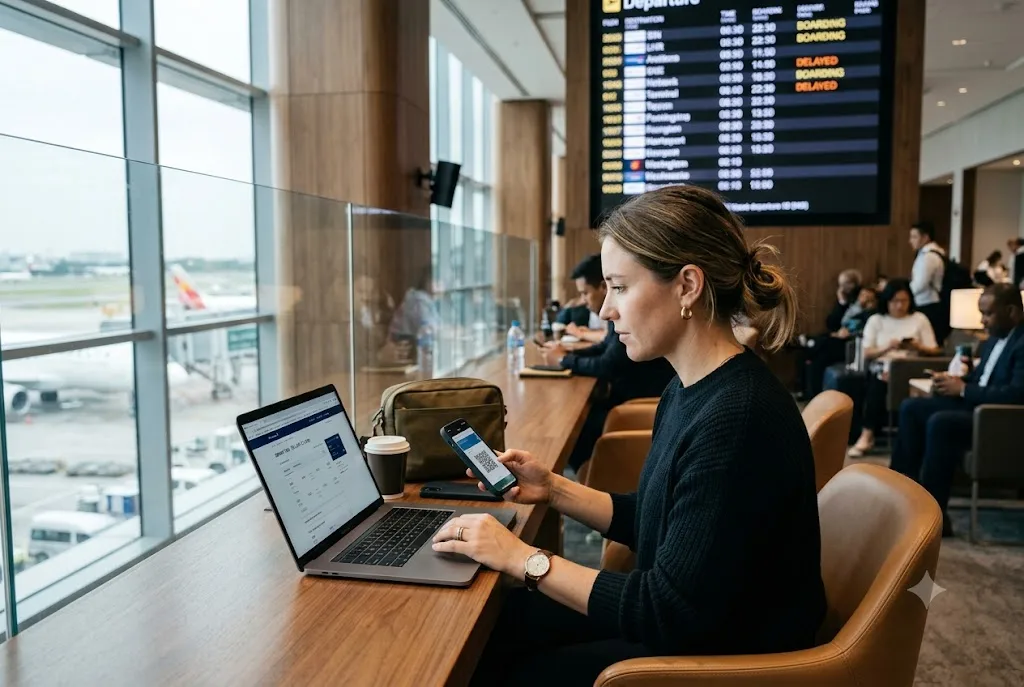
Choosing flexible airline tickets can provide valuable peace of mind when your travel plans aren’t completely fixed. Whether you’re travelling for business, organising a family holiday, or dealing with an unpredictable schedule, flexible fares allow you to change your booking more easily than standard tickets. While they often cost more initially, the extra flexibility can save both money and stress if your plans change.
In this guide, we’ll explain how flexible airline tickets work, what they typically include, how they differ from standard fares, and when they’re worth considering.
What Are Flexible Airline Tickets?
Flexible airline tickets are flight bookings that allow passengers to make changes with fewer restrictions than standard economy fares. Depending on the airline and fare type, you may be able to:
- Change your travel dates.
- Modify your flight time.
- Alter your destination on selected fares.
- Cancel your booking for a refund or travel credit.
- Pay reduced or no change fees.
The exact conditions vary between airlines, so it’s always important to read the fare rules before booking.
How Do Flexible Tickets Work?
Unlike basic economy tickets, flexible fares include additional booking privileges. If your plans change, you can usually update your reservation through the airline’s website or customer service.
However, flexibility doesn’t always mean every change is free. You may still need to pay:
- The difference in ticket price.
- Additional taxes or airport charges.
- Fare upgrades if your new flight costs more.
Understanding these conditions before booking helps avoid unexpected costs.
What Is an Open Airfare?
An open airfare is a type of ticket that offers greater flexibility regarding travel dates or return flights. Instead of confirming every part of your itinerary when booking, an open airfare may allow you to finalise certain travel details later, subject to airline availability and fare rules.
Open airfare options are less common than they once were, but some airlines still offer them for specific routes or fare categories.
Benefits of Flexible Airline Tickets
Flexible tickets can be particularly useful in situations where travel plans are uncertain.
Greater Peace of Mind
Unexpected events such as work commitments, family emergencies, weather disruptions, or changing schedules can affect your trip. Flexible fares make it easier to adapt without losing the full value of your booking.
Ideal for Business Travellers
Business meetings often change at short notice. Flexible tickets allow professionals to adjust their travel plans without purchasing entirely new flights.
Better for Long-Term Planning
If you’re booking several months in advance, flexibility can reduce the risk of financial loss should your plans change before departure.
Flexible vs Standard Airline Tickets
Standard Tickets
- Lower upfront cost.
- Limited changes.
- Higher change fees.
- Often non-refundable.
Flexible Tickets
- Higher initial fare.
- Easier date changes.
- Reduced change fees.
- Potential refunds or travel credit.
- More booking options.
Your choice depends on how certain you are about your travel plans.
When Are Flexible Airline Tickets Worth Buying?
Flexible fares may be worthwhile if:
- Your travel dates are uncertain.
- You’re travelling for business.
- You may need to extend your stay.
- You’re coordinating travel with multiple people.
- Your itinerary depends on events that may change.
On the other hand, if your schedule is fixed and unlikely to change, a standard ticket may offer better value.
How Airlines Define Flexible Fares
Each airline has its own fare categories, which may include names such as:
- Flexible
- Flex
- Fully Flexible
- Premium Economy Flex
- Business Flexible
Although the names differ, always review the booking conditions rather than relying solely on the fare title.
Can You Change Flexible Airline Tickets Online?
Many airlines allow passengers to manage flexible bookings through their online account or mobile app.
You can often:
- View available flights.
- Select new travel dates.
- Pay any fare difference.
- Receive updated confirmation immediately.
Some more complex itinerary changes may still require assistance from customer support.
Flexible Tickets for Family Holidays
Families often book holidays well in advance. Choosing flexible fares can provide reassurance if school schedules, family commitments, or unexpected circumstances change before departure.
If you’re organising your next trip, our guide on how to plan holiday travel includes practical advice on budgeting, accommodation, and preparing for a stress-free getaway.
Are Flexible Tickets Available on Short-Haul Flights?
Yes. Many airlines offer flexible fare options on both domestic and international routes.
Whether you’re booking a quick European break or travelling within Britain, flexibility may be available at the time of booking.
For inspiration on nearby destinations, see our guide to short haul flights from UK, which explores destinations reachable within two to six hours.
Tips Before Booking Flexible Tickets
- Read the fare conditions carefully.
- Compare flexible and standard prices.
- Check refund policies.
- Understand baggage allowances.
- Review cancellation deadlines.
- Confirm whether fare differences apply when changing flights.
Travel Insurance Still Matters
Although flexible airline tickets provide valuable booking flexibility, they don’t replace comprehensive travel insurance. Insurance may cover situations that airline flexibility does not, such as medical emergencies, lost baggage, or travel disruption.
For official travel advice and consumer guidance, visit the UK Civil Aviation Authority (CAA), which provides useful information on passenger rights and air travel.
Final Thoughts
Flexible airline tickets are an excellent option for travellers who value adaptability. While they generally cost more than standard fares, the ability to change travel dates, modify bookings, or cancel under certain conditions can provide significant peace of mind.
Before booking, compare fare conditions carefully, understand the airline’s change policies, and consider how likely your travel plans are to change. Choosing the right fare today could save both money and unnecessary stress later.
