

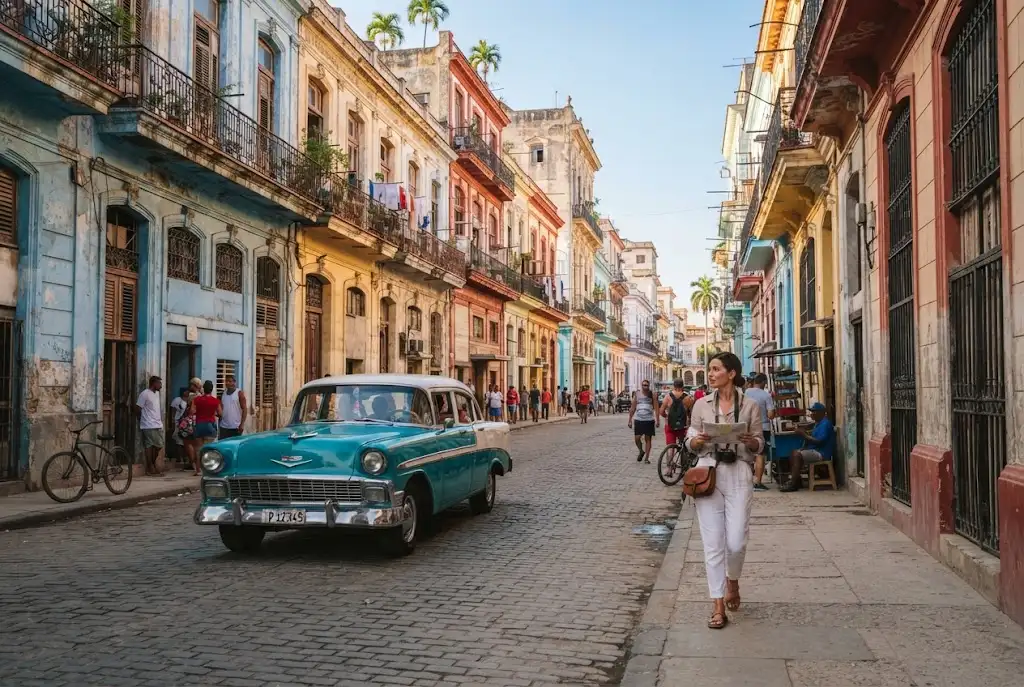
Cuba trips can offer far more than a traditional Caribbean beach holiday. The island combines colourful cities, colonial architecture, white-sand beaches, music, food, historic towns and distinctive landscapes. For UK travellers, Cuba can be particularly appealing if you want to combine time in Havana with a relaxing coastal stay or explore several destinations during one longer holiday.
From the historic streets of Havana to the beaches of Varadero and the colonial character of Trinidad, Cuba offers plenty of ways to build an itinerary around your interests. However, planning a trip requires more than choosing a hotel and booking flights. Entry requirements, travel advice, transport, accommodation and the current situation in Cuba should all be checked before departure.
Why Consider Cuba Trips?
Cuba has a distinctive identity that separates it from many other Caribbean destinations. Its historic cities, classic cars, music, architecture and cultural traditions give the island a character that visitors may not find in a conventional resort holiday.
At the same time, Cuba offers beaches and coastal resorts for travellers who want relaxation. This makes it possible to create a balanced itinerary that combines sightseeing with downtime.
The official Cuban tourism portal lists destinations across the island, including Havana, Varadero, Trinidad, Cienfuegos, Santiago de Cuba, Holguín and Villa Clara. It also highlights activities ranging from culture and city visits to nature, excursions, nautical activities and sun-and-beach holidays.
Best Destinations for Cuba Trips
Choosing the right destinations is one of the most important parts of planning a Cuba holiday. Rather than trying to see the entire island, focus on a small number of places that complement one another.
Havana
Havana is the obvious starting point for many first-time visitors. The capital is known for its historic streets, colourful buildings, plazas, music and distinctive atmosphere.
Old Havana is particularly rewarding for travellers interested in architecture and history. Walking between plazas and historic buildings allows you to experience the city at a slower pace than simply moving between organised attractions.
It is worth allowing several days for Havana rather than treating it as an overnight stop before heading straight to the beach. The city provides much of the cultural context that makes Cuba different from other Caribbean destinations.
Varadero
Varadero is one of Cuba’s best-known beach destinations and is an obvious choice for travellers who want a more traditional seaside holiday.
The official Cuban tourism portal describes Varadero as one of the country’s major destinations, with a long stretch of sandy coastline, clear waters and facilities for activities such as water sports, diving and snorkelling.
Varadero is also relatively close to Havana, making it practical to combine the two destinations. This makes a Havana-and-Varadero itinerary particularly attractive for first-time visitors who want both culture and relaxation.
Trinidad
Trinidad offers a very different experience from Havana and Varadero. The historic city is known for its preserved architecture and colonial atmosphere.
The official tourism portal describes Trinidad as a destination combining historic architecture, culture, nature and beaches. Visitors can explore the historic centre before travelling into the surrounding countryside or towards the coast.
Trinidad can therefore work well as part of a longer cultural itinerary rather than being treated purely as a beach destination.
Cienfuegos
Cienfuegos provides another option for travellers interested in architecture, history and coastal scenery. It can be included in a multi-stop itinerary between Havana and destinations further east or south.
Adding Cienfuegos makes most sense when you have enough time to travel slowly. If you only have a week, concentrating on two or three destinations may provide a more enjoyable experience.
Viñales
Viñales is an appealing choice for travellers who want to experience Cuba’s countryside. The region is associated with dramatic landscapes, agricultural traditions and tobacco production.
A visit provides a useful contrast to Havana’s urban environment. Instead of historic streets and busy plazas, you can experience open landscapes and rural communities.
How to Plan Cuba Trips from the UK
The first decision should be whether you want a simple resort holiday or a multi-destination trip.
A resort-focused holiday may require little more than choosing accommodation and arranging airport transfers. However, a longer Cuba trip requires more planning because distances between destinations can make travel days significant.
A useful first-time itinerary could combine Havana with Varadero. Travellers with more time could add Viñales or Trinidad, depending on their interests.
When planning accommodation, think about how much time you actually want to spend travelling. Staying in several destinations can provide more variety, but moving every couple of days can also make a holiday feel rushed.
Flights to Cuba from the UK
Searching for a flight to Cuba is one of the first practical steps when planning your holiday. Flight schedules, routes and availability can change, so travellers should compare current options for their intended dates rather than relying on historical schedules.
Searches for flights to Cuba may produce different results depending on whether you want to arrive in Havana, Varadero or another international airport. Your arrival airport should match your itinerary wherever possible.
For example, travellers concentrating on Havana may prefer an itinerary that arrives in the capital, while a beach-focused holiday may make Varadero more convenient. Always check whether the route involves a connection and allow enough time for transfers when comparing fares.
It is also important to check the baggage allowance, connection requirements and cancellation conditions before booking. The cheapest Cuba flights are not necessarily the best value if they involve inconvenient connections or restrictive conditions.
When Is the Best Time for Cuba Trips?
Cuba has a tropical climate, so weather should be considered when choosing travel dates. Many visitors prefer the cooler and generally drier period for a combination of sightseeing and beach time.
However, the best travel period depends on what you want to do. If your priority is exploring Havana and historic cities, comfortable temperatures can make walking more enjoyable. If you mainly want a beach holiday, your priorities may be slightly different.
Weather conditions can vary and tropical systems can affect travel plans, particularly during hurricane season. Check current weather forecasts and travel advice before departure.
How Long Should a Cuba Trip Last?
A seven-day holiday can work well if you want to combine Havana with one beach destination. A typical structure might involve several nights in Havana followed by several nights in Varadero.
With ten to fourteen days, you have considerably more flexibility. You could include Havana, Viñales, Trinidad and a beach destination, although travel times should be considered before adding too many stops.
Longer holidays allow you to explore more slowly and experience smaller destinations between major tourist centres. This can provide a richer impression of Cuba than simply visiting the most famous attractions.
What Should You Budget for Cuba Trips?
The cost of Cuba trips depends on your flights, accommodation, transport, food, activities and the type of holiday you choose.
A luxury resort stay can have a very different price from an independent trip using guesthouses and local restaurants. When calculating your budget, consider the full cost rather than focusing only on the advertised hotel or flight price.
Include airport transfers, internal transport, excursions, travel insurance and any required entry documents. It is also sensible to keep some flexibility in the budget because travel arrangements can change.
If you plan to visit several destinations, transport can become a significant part of the overall cost. Compare the convenience and price of different options before finalising your route.
Cuba Entry Requirements for UK Travellers
Entry requirements are an important part of planning Cuba trips and should be checked immediately before travel because regulations can change.
Current UK government guidance states that British citizens visiting Cuba as tourists need a tourist visa, also known as a tourist card, before travelling. The guidance also states that travellers can apply for an electronic visa through Cuba’s eVisa system.
Your passport must meet Cuba’s validity requirements, and travellers must also provide proof of onward or return travel. In addition, visitors must complete the D’Viajeros online arrival form within 72 hours before entering Cuba and present the resulting QR code at the border. Airlines may check completion during check-in.
Because these requirements can change, UK travellers should check the latest Cuba entry requirements on GOV.UK before booking and again shortly before departure.
Important Current Travel Advice for Cuba
Travel advice should be taken particularly seriously when planning a Cuba holiday. The UK Foreign, Commonwealth & Development Office currently advises against all but essential travel to Cuba. Its current guidance also reports issues including protests, power outages and fuel shortages.
This does not mean travellers should ignore Cuba as a destination, but it does mean the decision to travel should be based on current official advice rather than older holiday content or outdated reviews.
Power interruptions and shortages can affect transport and everyday services, so travellers should consider the practical implications when arranging accommodation, transfers and activities.
Travel insurance is also important. Check the policy carefully and make sure it remains valid in light of the latest government travel advice and covers the activities you intend to undertake.
What to Experience Beyond the Beaches
One of the biggest mistakes when planning Cuba trips is assuming the country is only about beaches.
Travellers can explore historic districts, listen to live music, visit museums, discover local food, walk through colonial towns and explore rural landscapes.
Havana is particularly suited to cultural exploration, while Trinidad combines heritage with nearby nature and coastal attractions. Varadero, meanwhile, is a strong choice for travellers who want to devote more time to swimming, relaxing and water-based activities.
The official Cuba tourism portal categorises activities across the country into areas including culture, city experiences, excursions, nature, nautical activities and sun-and-beach tourism.
Tips for Making Cuba Trips Easier
- Check current UK travel advice before booking and before departure.
- Confirm visa or tourist-card requirements well in advance.
- Complete the D’Viajeros form within the required period before arrival.
- Keep a digital and printed copy of important travel documents.
- Check your flight’s baggage allowance and connection arrangements.
- Choose an itinerary that does not involve unnecessary long-distance travel.
- Allow extra flexibility for transport disruptions.
- Check your travel insurance carefully against current travel advice.
- Carry essential medication and important personal items with you.
- Keep some contingency time in your itinerary rather than booking every day tightly.
Should You Combine Havana and Varadero?
For many first-time visitors, combining Havana and Varadero is one of the simplest ways to experience two sides of Cuba.
Havana provides history, architecture, music and urban culture, while Varadero focuses on beaches, water activities and relaxation. The official tourism portal notes that Varadero is approximately 140 kilometres from Havana, making the two destinations practical to combine in a single holiday.
Travellers with additional time can then consider adding Trinidad or Viñales. However, it is better to experience two or three destinations properly than to spend most of the holiday moving between hotels.
How Cuba Compares With Other Long-Haul Holidays
Cuba is particularly suitable for travellers who want culture and Caribbean scenery in the same holiday. It is very different from the Middle Eastern destinations in this wider cluster.
If you are comparing long-haul travel ideas, our guide to a trip to Jordan is useful for travellers interested in archaeological sites and desert landscapes, while our holiday to Oman guide explores mountains, wadis, deserts and coastal travel.
For travellers whose priority is wildlife, our upcoming guides to Zimbabwe trips and an Africa safari holiday will provide a very different type of international travel experience.
Final Thoughts on Cuba Trips
Cuba trips can be highly rewarding when planned around the experiences you actually want. Havana offers cultural depth, Varadero provides a classic Caribbean beach experience, and destinations such as Trinidad and Viñales add history and countryside to a wider itinerary.
The most important part of planning is staying up to date. Current entry requirements, transport conditions, shortages and official travel advice should all be checked before departure.
If you decide to travel, build an itinerary with enough flexibility to cope with changing circumstances. Give yourself time to enjoy Cuba’s cities, landscapes and beaches rather than trying to cover too much ground.
With sensible planning and current information, Cuba can offer a distinctive combination of Caribbean relaxation, historic character and cultural discovery.
